

Carpets not only add to the aesthetic appeal of your home, but they also provide comfort and warmth. However, carpets are prone to dirt, dust, and stains, and if not maintained correctly, they can quickly become unsightly and unhygienic.
To ensure they last and look good, proper care is necessary. Regular cleaning and upkeep of your carpets not only keep them looking new but also contribute to the general cleanliness and health of your house. In this article, we will provide some practical tips on how to efficiently maintain your carpet.
- Vacuum Regularly:

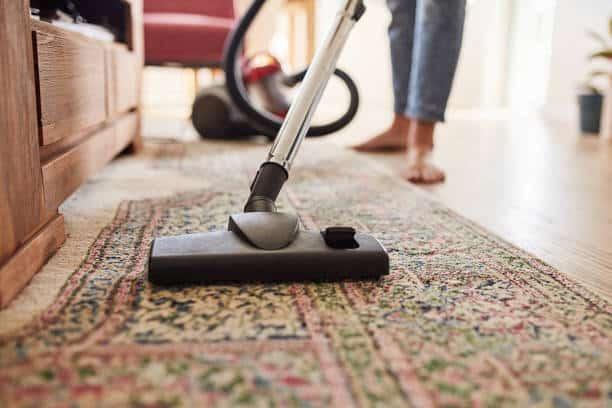
Regular vacuum cleaning is one of the most effective ways to keep your carpet in good condition. Dirt and dust particles can easily accumulate in carpets, and vacuuming helps eliminate them. We recommend vacuuming daily for areas with high traffic, while vacuuming twice a week should be sufficient for areas with low traffic. Using a high quality vacuum cleaner is highly recommended as they are capable of extracting dirt and dust from deep inside the carpet fibers.
- Address Spills And Stains Immediately:
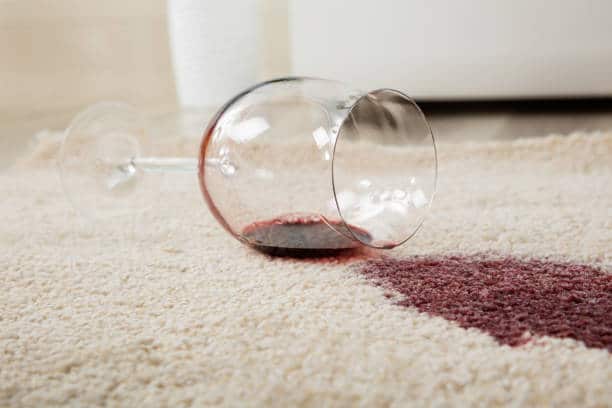
Spills and stains are inevitable, and it is important to address them immediately otherwise it will become difficult to remove the stain, and can lead to permanent damage to your carpet.
Wipe the stain with a clean cloth, avoid rubbing against it as this might drive the stain further into the fibers. You may also gently clean the stains with a solution of warm water and vinegar.
- Doormats

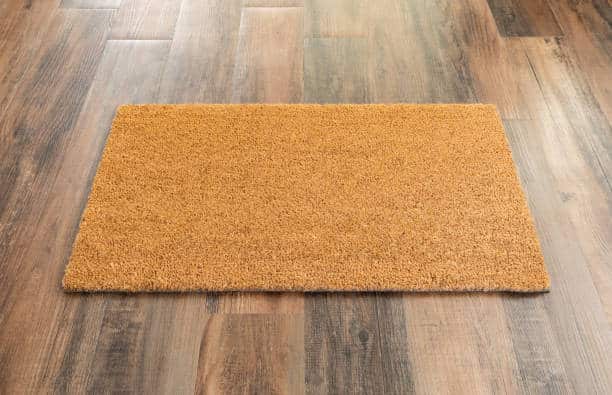
One of the best ways to keep your carpet clean is by using doormats. Place doormats at all entrances to your home to prevent dirt and dust from getting into your home. You can also encourage your guests to wipe their feet before entering your home to minimize the dirt that gets into your carpet.
- Hiring Professional Carpet Cleaning Services

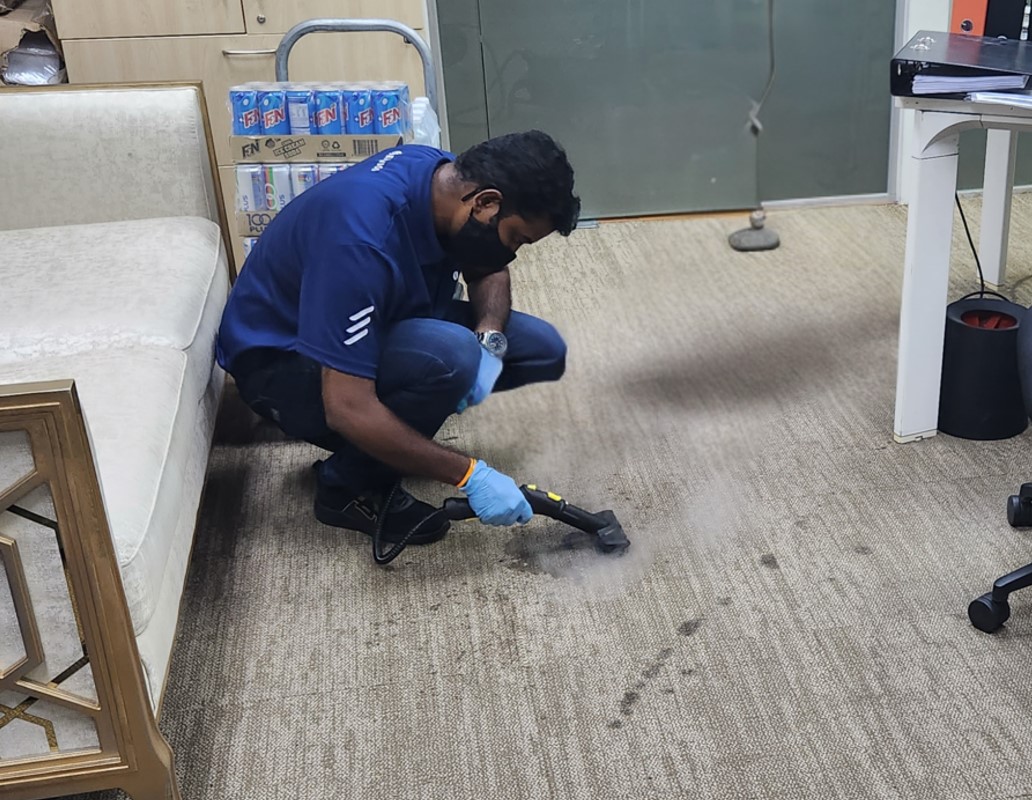
Regular vacuuming and spot cleaning are essential, but they are not enough to maintain your carpet’s longevity. Professional carpet cleaning services are necessary at least once a year to deep clean your carpet and remove dirt and dust particles that regular vacuuming cannot remove. Professional cleaning services also help eliminate bacteria and allergens from your carpet, making your home healthier.
- Avoid Walking On The Carpet With Shoes
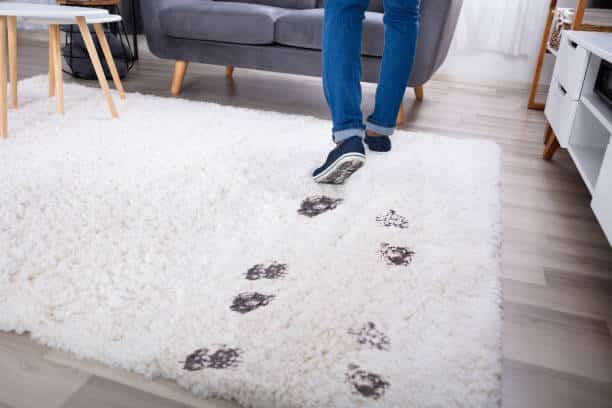
Shoes bring in dirt and dust from outside, and walking on your carpet with shoes can damage it. Encourage your family and guests to remove their shoes before entering your home to minimize the dirt and dust on your carpet. You can also provide slippers or socks for your guests to wear while inside your home.
Summary:
Maintaining your carpet does not have to be a daunting task. With these tips, you can keep your carpet clean and increase its longevity. Remember to vacuum regularly, address spills and stains immediately, use doormats, hire professional carpet cleaning services, and avoid walking on the carpet with shoes.
Read on: 10 Reasons To Hire Professional Floor Cleaning Service In Singapore
In Singapore, maintaining a clean and healthy environment has always been a top priority. The recent COVID-19 pandemic has only shown how important it is to be careful about preventing the spread of germs. Whether you work in an office or spend time at home, it’s important to take steps to protect yourself and others from harmful bacteria and viruses. In this article, we’ll look at some effective ways to prevent germs from spreading in your office and home.
- Clean And Disinfect Regularly

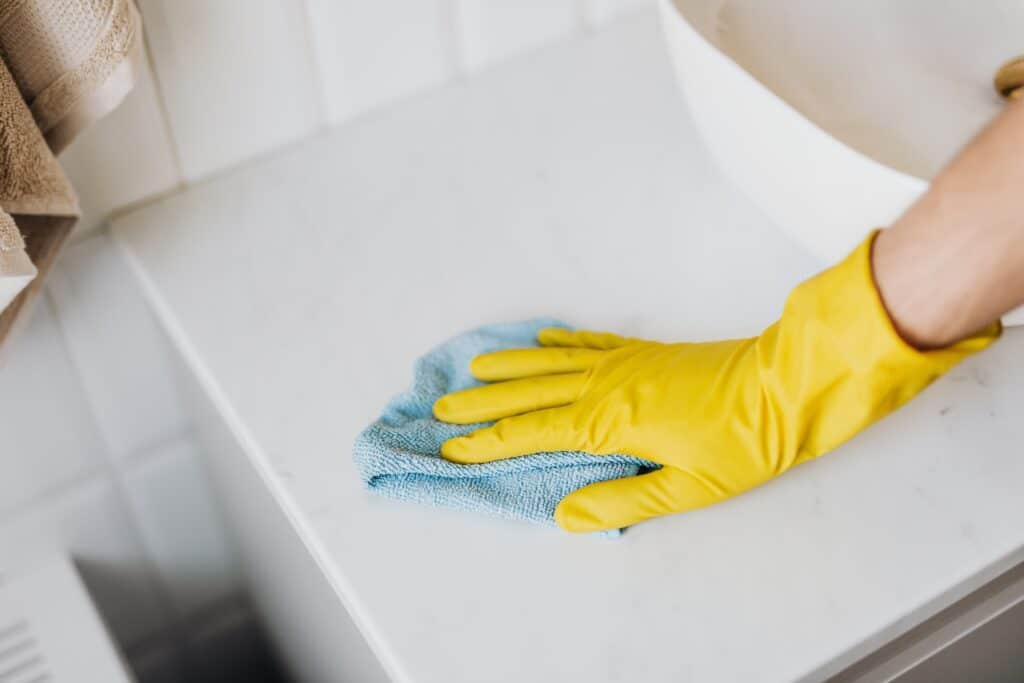
Regular cleaning and disinfection helps to eliminate germs and prevent them from spreading to other people, using tools like anti-microbial disinfectants and microfiber cloths. It is important to prevent the spread of germs, viruses, and bacteria that can cause illness and infection.
By disinfecting surfaces that are frequently touched by multiple people at the same spot, especially in shared public spaces like schools, offices, and public transportation, you will be able to reduce the spread of diseases such as colds, flu, and COVID-19.
There are also numerous benefits that come with regularly cleaning your home or office:
- Prevention of harmful buildup substances like mould, mildew, and other pathogens.
- Removing dust, dirt, and other debris can help to reduce allergens and improve indoor air quality.
- Reduces the risk of disease transmission in these shared spaces.
- Wear Personal Protective Equipment (PPE)

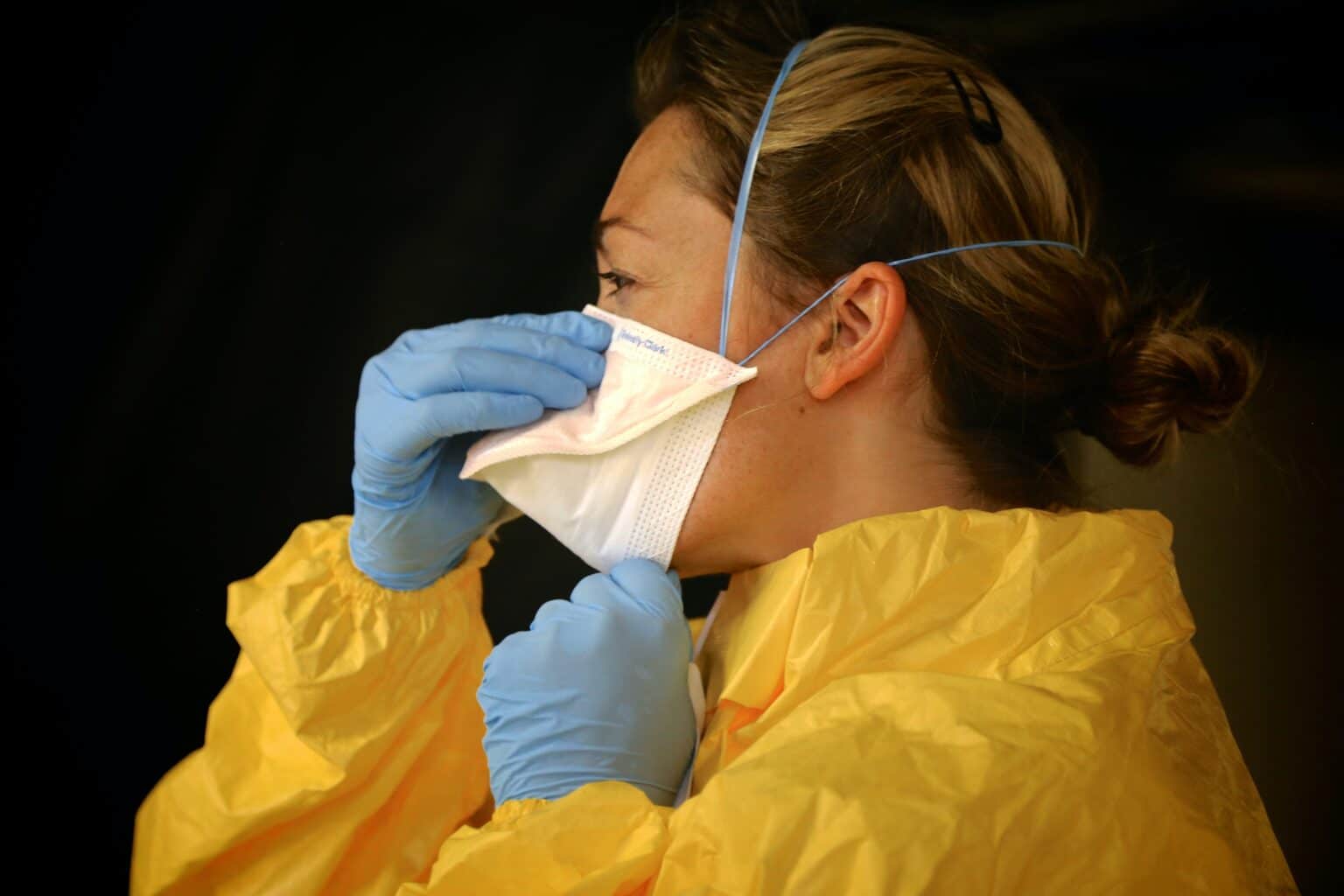
Wearing Personal Protective Equipment (PPE) such as gloves, masks, and gowns is essential in reducing the risk of contracting or transmitting infectious diseases, especially in healthcare settings where exposure to germs and bacteria is high.
By wearing PPE, individuals can prevent the spread of harmful pathogens and protect themselves and others from infection. It is important to properly use, dispose of, and replace PPE to ensure maximum effectiveness and minimize the risk of contamination.
Additionally, practicing good hygiene, such as regularly washing hands and disinfecting surfaces, is crucial in maintaining a clean and safe environment and preventing the transmission of germs and bacteria.
- Limit Food Sharing
Foodborne illnesses are often spread by people sharing food. This happens when germs from one food are transferred directly or indirectly to another. For example, if a person touches raw chicken and then touches a piece of bread and eat it without washing their hands first, the bread may be contaminated and make you sick.
Foodborne illness, also known as “food poisoning,” can cause a wide range of symptoms, depending on the type of bacteria, virus, or parasite involved, as well as the person’s age and health. Some of the most common signs of getting sick from foodborne illness are:
- Nausea and vomiting
- Abdominal pain and cramping
- Diarrhea, which may be watery or bloody
- Fever and chills
- Headache
- Muscle aches and weakness
- Fatigue
- Dehydration
Foodborne illnesses usually start between a few hours and a few days after eating or drinking something that is contaminated. In some cases, the symptoms may be mild and go away on their own, while in other cases, they may be severe and require medical attention. If you think you have a food-borne illness, it’s important to stay hydrated by drinking lots of fluids and to see a doctor if your symptoms are severe or don’t go away.
To reduce the risk of cross-contamination and the transmission of germs and bacteria, it’s important to practice good food safety habits. This includes washing your hands frequently, using separate cutting boards and utensils for different types of food, and cooking food to the appropriate temperature.
Additionally, if you are sick or have recently been sick, it’s best to avoid sharing food or utensils with others until you have fully recovered. This can help to prevent the spread of illness to others and keep everyone healthy.
- Use Air Purifier
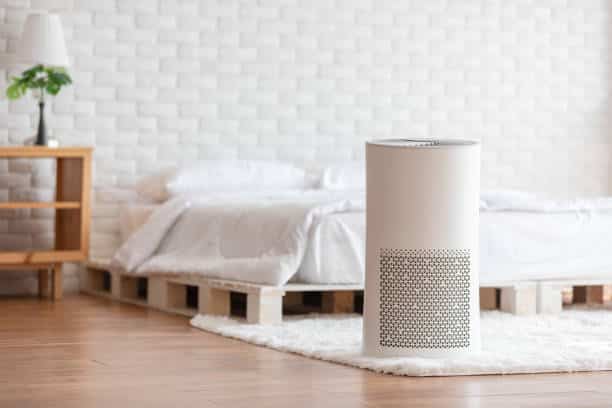
Air purifiers have become increasingly popular in recent years as people seek ways to improve indoor air quality and reduce the spread of germs and bacteria. These devices work by filtering the air, removing pollutants such as dust, pollen, and smoke.
Lets take a look at some of the benefits of Air Purifier:
- Using a combination of filters, such as HEPA filters, activated carbon filters, and UV-C lights, this enables the air purifier to capture and eliminate pollutants in the air. HEPA filters are particularly effective at capturing small particles such as bacteria and viruses, while activated carbon filters can remove odours and volatile organic compounds (VOCs). UV-C lights are also effective at killing germs and bacteria.
- Air purifiers can be particularly effective at reducing the spread of germs and bacteria in indoor environments. In areas with poor ventilation, such as office buildings or schools, air purifiers can help to remove airborne pathogens and reduce the risk of infection. They can also be beneficial for people with allergies or respiratory conditions, as they can remove allergens such as pollen and pet dander from the air.
- When choosing an air purifier for reducing the spread of germs and bacteria, it’s important to consider the size of the room and the type of filter used. HEPA filters are the most effective at capturing small particles such as bacteria and viruses, so it’s important to choose an air purifier with a HEPA filter if reducing the spread of germs and bacteria is a primary concern. It’s also important to choose an air purifier that is designed for the size of the room it will be used in, as an undersized air purifier may not be effective.
- Keep Your Workspace Clean
Keeping your workspace clean and organised is not only important for productivity and well-being, but also for reducing the spread of germs and bacteria. A cluttered and dirty workspace can be a breeding ground for germs, which can lead to illness and decreased productivity. Let’s take a look at a few tips to keep your workspace in pristine condition:
- Use disinfectant wipes or spray to clean your keyboard, mouse, desk, phone and any other frequently touched surfaces. Make sure to clean and disinfect your workspace at least once a day or more often if you share your workspace with others.
- Eating at your desk can be convenient, but it also leads to a buildup of crumbs and bacteria. If you have to eat at your desk, make sure to clean up any crumbs or spills immediately.
- Wash your hands before and after eating, after using the restroom, and after coughing or sneezing.
- Keep a bottle of hand sanitiser on your desk and use it while working to kill germs and bacteria when you don’t have access to soap and water.
- Keep your workspace organized as cluttered workspace makes it harder to clean and disinfect. To start, you may use file folders, trays, and other organizational tools to keep your papers and supplies in order.

Summary:
By implementing simple measures like hand washing and surface cleaning, reminding others to practice good hygiene, taking proactive steps, and prioritizing germ-reducing measures, we can create a healthier and safer environment for everyone in both office and home.
Read on: How Dirty Mattress Can Affect Your Sleep And Health
As the adage goes, “you are only as good as the tools you use”.
Today, we should be fully cognizant of the concept of having the right tools for the right job. Likewise, when it comes to a chore that most of us in Singapore love to hate – cleaning – having the right gear is imperative. If you are still clinging on to that grimy ol’ sponge or cotton rag of yours, it is about time to ditch them all. Why? Because our goal is to help you clean smarter, not harder. That said, allow us to introduce something revolutionary and life-changing, a cleaning tool that you never knew you need: Microfibre cloth.
Whether is it house cleaning or office cleaning, there is just something so special about microfibre cloths that experts from cleaning companies in Singapore and beyond swear by. We too love the aid of a good do-it-all microfibre cloth throughout our services. But what is it that makes it so outstanding?
Surprise, surprise – it’s not magic, but a whole lot of real science behind its power. And before we dive into all of that, let’s first talk about what microfibre cloth really is.
What Exactly is Microfibre Cloth?
As its name suggests, microfibre cloth is made up of super-thin microfibres – a synthetic material that comprises polyester and polyamide. Polyester provides the structure of cloth, while polyamide allows high water absorption.
Fun fact: Microfibre is 200 times thinner than the diameter of a single human hair!
What Makes it Such a Cleaning Workhorse?
Thanks to the inclusion of both positive-charged and negative-charged components, microfibre cloths have the ability to attract and pull up even the tiniest, most microscopic dirt particles, and hard-to-kill spores – doing the job that its ordinary counterparts fail to execute.
As you may have heard of this principle in chemistry classes, microfibre cloths leverage something called the ‘van der Waals forces’.
When employing microfibre cloths, there is no need for harsh chemicals and detergents whatsoever – all they need is water to lock up dirt. This massively reduces your exposure to these harmful substances. At the same time, you are playing a part in reducing pollution from cleaning chemicals too!
If all these are not enough to impress, here are more benefits of microfibre cloth you ought to know:
- It is lint-free and non-abrasive:When you clean with a microfibre cloth, you can rest easy knowing that it will not leave any scratches nor lint on any surfaces.
- It is a cost-effective cleaning solution:As revealed earlier, you can eliminate the need for cleaning products with a microfibre cloth. Naturally, this translates to dramatic savings in the long run.
- It is versatile:From windows and mirrors to chrome fixtures, showerheads and more, microfibre cloth works profoundly well on virtually any kind of surfaces. There’s nothing much out there that microfibre cloths can’t clean!
- It dries particularly fast: Thanks to its unique loop weave, microfibre cloth dries in one-third the duration of ordinary cloths. This also makes it harder for bacteria to grow.
- It is long-lasting: With a much longer lifespan, microfibre cloths can easily outlast other cleaning cloths, including cotton ones. Of course, this comes with proper care and maintenance.
- It can help to prevent cross-contamination: Steer clear of cross-contamination with the help of microfibre cloths. Available in a wide variety of colours, microfibre cloths enable you to implement a colour-coding systemfor your day-to-day cleaning endeavour – designating specific colours for a particular area. If you don’t already know, colour-coding has been employed throughout our house and office cleaning services in Singapore – and our cleaning experts can surely vouch for this methodology.
By now, it is clear that the advantages of microfibre cloths are aplenty – so be sure to keep them on your radar!
Pest infestation is a prevalent issue not only within homes, but workplaces too. With tons of movements and activities occurring day in and day out, it’s inarguable that the office space is exceptionally susceptible to pests. Unfortunately, it is a concern that often slips through the cracks.
One might be inclined to think that these vile bring about nothing more than minor discomfort – so why kick up a fuss, right? We beg to differ. Look, an office environment where pests dominate can pose detrimental threats to our health, making the need for actions obvious. Besides, with the presence of pests, your office only becomes an uninviting space for guests, and this does nobody any favours.
To effectively mitigate the impacts, finding out what led to the infestation is imperative. You would be surprised to find out that the majority of the pest infestation issues are caused by inadequate sanitisation habits.
To get you thinking twice about the little things you do daily, we’ve magnified 7 common habits that you should break as soon as possible.
- Eating at your work desk
How many of you actually get up and away from your desk during lunch breaks? Unsurprisingly, approximately one-third of working professionals in Singapore claim to take their lunch breaks at their desks – at least four times a week.
We understand, when your to-do list gets overwhelmingly long and when deadlines edge nearer, eating your lunch at your desk may seem like the most efficient way of fuelling your brain. But what many do not realise is that this could also increase the potential of food crumbs and spills getting left behind.
At the end of the day, they become easy meal tickets for the scavengers.
- Leaving accumulated food wastes overnight
Of all the many bad habits you should kick, one of them is leaving food wastes overnight.
Many office pest infestation cases in Singapore can be traced to these overlooked food scraps. By not throwing out your food wastes, you’re literally answering the calls of the uninvited guests. Over time, the bin becomes an ideal breeding ground for them.
At this point, you might be wondering, “what can I do to curb the problem?” Simple! Either someone within the team has to go the extra mile to get that done, or you can choose to engage part-time office cleaning services. If the latter sounds like a more practical option for you, we’d highly recommend getting an evening cleaning crew, so that food wastes accumulated during the course of the day gets cleared away at last.
- Not changing the bin liners regularly
Are flies swarming around the trash can a common sight in the office? If so, this could stem from not replacing your bin liners regularly. With pest-drawing residues like coffee stains and food crumbs left behind, it’s only natural that the bin becomes the trigger of a major pest problem.
- Not cleaning your office carpet and upholstery
Many folks reckon that carpet and upholstery don’t need to be cleaned often – if not, at all. Yikes! That couldn’t be further from the truth.
Given how vulnerable carpets and upholsteries are to pest invasion, engaging carpet and upholstery cleaning services is something that a company should never skimp on. In fact, you should get them cleaned quarterly or half-yearly. So if you haven’t established a regular carpet and upholstery cleaning programme, now’s the time to start!
- Using the wrong chemicals and tools
Office owners tend to face many cleaning challenges, and among them is choosing the right chemicals and tools. The unwitting office owner might be made to believe that DIY off-the-shelves products can do wonder in pest control. But here’s the grim reality: in the pest management world, there’s isn’t a one-size-fits-all solution.
Using the wrong chemicals and tools will not only render undesirable results, but can also lead to adverse effects in the near and long term. To reduce the potential of a future infestation, your best bet will be to employ the services of a cleaning company because, well, they’re the experts in the field.
- Using the same cloth for the entire premise
Colour-coding your cleaning cloths for different areas is something that our team at Envico can’t emphasise enough. This system is not only a good practice for preventing cross-contamination, but it does the trick in maintaining a pest-free and hygienic environment too. Using that same-old rag around the office premise just don’t cut it!
- Overlooking hard-to-reach surfaces
Out of sight, out of mind – the same rule doesn’t apply when it comes to cleaning. We understand that cleaning hard-to-reach crevices is a perennial battle, but given the fact that pests can build an entire empire within these areas, turning a blind eye to them isn’t a solution.
But what do you do when you simply have too much on your plate? Don’t admit defeat just yet – because cleaning professionals can help you get the job done with ease and speed, all without missing an inch. With Envico offering affordable office cleaning services, you’ll never have an excuse to skip these spots again.
With Lunar New Year around the corner, it is about time for our yearly spring cleaning endeavor again. Yes, again!
It is a known fact that there are many traditions and family ritual deeply embedded in the culture of Lunar New Year’s celebration. Apart from splurging on new threads, adorning your crib with festive decors, having a sumptuous reunion dinner and not forgetting – giving and receiving our all-time favourite red envelopes, one of the most significant customs riddled in the festivities is the house-cleaning ritual (also known as da sao chu).
Unlike our daily house cleaning routine, spring cleaning carries a deep meaning for the Chinese. So what exactly is the historical significance behind this custom, and why is it such a big deal?
Sweep Out the Old, Usher in the New
It has a lot to do with culture and religion. In decades past, the folks believe that the spring cleaning ritual is a tangible representation of getting rid of the bad luck of the previous year. It symbolically purges negativity while ushering in the new, and all the positive energy that is sure to follow in the coming one.
“Dust” is a homophone for the word “Chen” in Chinese, which refers to “old”. Hence, getting rid of them is a way to mark an auspicious start to the year.
However, you would want to ensure that the house is thoroughly cleaned and decluttered a few days before the new year begins. Why? Simply because sweeping the house during the Lunar New Year is perceived to be sweeping away the good fortunes that are bestowed upon your household. So once New Year’s Day (chu-yi) rolls around, avoid doing any forms of housework until the Lunar New Year is over.
Is Spring Cleaning Imperative?
An overhaul spring cleaning may not appear to be the most joyous of traditions for the younger generations. But if you are hanging on to the thoughts on whether spring cleaning is really necessary, our answer is a resounding yes.
It is not just the tradition that dictates the need for one. After all, cleaning up is always good for your health – mentally and physically. Besides, getting rid of all that chaos that surrounds your living space ensures that your house is always guest-ready. So, as laborious as it sounds, forget about slipping away from the obligatory housework and decluttering involved. But instead, embrace them with open arms.
Starting the New Year With a Clean Slate
Before plunging into a cleaning frenzy, kick things off by segmenting the tasks into a comprehensive checklist. Spring cleaning is a process, and having a good outline will lead to a good outcome. With a systematic checklist, you will get your home in tip-top shape in no time.
Here’s to a Spotless Year
If you are procrastinating on things as time ticks away, the chances are that you are probably not going to accomplish much. But the last thing you want is to have your house left in a wreck. What do you do?
Good news – we have got a cheat sheet for you. That is – to engage professional house cleaning services.
While there are many companies across Singapore that provide house cleaning or spring cleaning services, our team at Envico certainly outshines in terms of value and result.
Beyond our affordable house cleaning service rates, our glowing reviews are a testament to our impeccable service and quality. So if you fail to squeeze out ample time to do the chores on your own, Envico Singapore is here to spare you from the agony of last-minute spring cleaning.
Carpet Cleaning 101
Carpets are becoming an integral decision when it comes to interior styling as they make great signature piece to amp the style of indoor living spaces. Likewise, for corporate offices, having carpeted floors adds a touch of refinement to the corporate flavour.
Are Your Carpets Clean?
As with most furniture/upholstery, carpet traps dust, pests (dust mites), dead skin cells, faecal matters of pets/insects and other horrific allergens that can cause serious health issues.
Carpets can trap and contain dirt that is four times their weight, and this poses serious health threats as it impacts the indoor air quality.
According to the Singapore Workplace Safety and Health Guidelines[1]:
“Indoor air quality (IAQ) is an important subject in our daily life as we spend a substantial amount of our time indoors. Most people spend their working hours in indoor spaces such as offices, factories and other buildings. In Singapore, where the climate is hot and humid, we rely heavily on air conditioning and mechanical ventilation (ACMV) system to provide thermal comfort in sealed indoor environments.
Sources of contamination can include carpets, rugs, laser printers and photocopiers. The air quality in these tightly sealed environments is hence affected by gases (including volatile organic compounds), particulates, and microbial contaminants such as mould and bacteria.
Poor air quality in indoor air-conditioned workplaces can result in potential health and comfort problems for occupants. Some acute health effects associated with poor IAQ include coughs, headaches and eye irritation or connotatively referred to as sick building syndrome. This can then lead to the consequential decline in work productivity when sickness-absenteeism prevails. Good IAQ is therefore essential to ensure the health and wellbeing of all people in indoor environments such as buildings and offices.”
It is thus crucial to have your carpets clean regularly.
How Often Should Carpets Be Cleaned?
As the rate of dust and allergens accumulation differs, the frequency of carpet cleaning varies from environment and the use of space.
Corporate and Commercial Offices
In an office environment, one is unable to ascertain the full source of dusts and bacteria that is introduced (i.e. crumbs that fell from eating at the desks, the places employees have been to before stepping into office etc), hence regular and routine cleaning is important to minimise sick building syndrome and to potentially reduce the absenteeism rate.
Regular carpet cleaning will also prevent odours and stains from accumulating, which can be unsightly and revolting to guests and customers. The cost to replace the entire carpeted area can be costly if proper prevention is not done from the beginning.
Residential and Home Spaces
In a home environment, if there are young children or members with sensitive respiratory issues, the frequency for carpet cleaning should be increased. This is especially so if there are pets in your home, due to fur shedding and dander. Having clean carpets will also prevent crawling children and pets from picking up germs and bacteria, to keep them healthy and free from carpet induced sickness.
How to Keep Your Carpets Clean?
Vacuuming Alone is Not Enough
Although most may understand the importance of keeping carpets clean, not many may realise that vacuuming alone is not adequate to cleanse your carpets. In the process of vacuuming, the air that gets pushed out from the vacuum cleaner will extrapolate the accumulated dusts that are not captured within the dust pockets within the vacuum cleaner, further deteriorating the air quality indoors. For those who have respiratory issues, vacuuming may trigger some of the allergic symptoms, further aggravating the negative health consequences.
Engage the Help of Professionals/Experts
Professional carpet cleaning company will have the right equipment and tools to ensure that dusts, including bacteria and mould are completely eradicated from your carpet, minimising trapped allergens.
Envico’s Sophisticated Carpet Cleaning Service
Envico’s carpet cleaning program has been formulated to effectively clean your carpets, thereby eliminating dusts and keeping your employees and family members safe.
Envico’s Carpet Cleaning Program
What does Envico’s Carpet Cleaning Program Address?
- Carpet dusts and dirt
- Dust mites in carpets
- Bacteria and germs breeding in carpets
- Offensive odours
- Stubborn carpet stains
Envico’s State of the Art Carpet Cleaning Technology
Envico deploys state of the art carpet cleaning technology to address the particularly stubborn dust mites, stains, and odours. We have a team of carpet cleaning specialists who are proficient at utilizing the appropriate methodology to tackle ensconced dirt and stains out of your carpet.
In doing this, the ethics of our carpet cleaning program ensures that there’s no damage to the fabric. We retain the aesthetics and texture of your carpet appearance.
Improve your indoor air quality with Envico’s Carpet Cleaning Program now!
Apart from employing professional house cleaning services, many Singaporeans are still religiously looking out for ways to keep their loved ones safe. Surely, the age-old adage rings true: better safe than sorry.
But before you begin the endeavour, making sure that you don’t take the wrong approach is of paramount importance. Why? Simply because tackling cleaning duties requires lots of investment – from money to effort and time, to name some. While we all tend to cut corners at times, it’s worth noting that improper cleaning and disinfecting habits can inhibit your ability to get the job done efficiently. On a more consequential note, they can also lead to irreversible damages to your health and properties in the long run.
Lucky for you, our cleaning experts have put together 8 tips on how to clean and disinfect the right way. Read on.
- Getting the frequency right
Clearly, at the base of cleaning lie important health safeguards. But given that cleaning is not an easy task (especially when you are doing it alone), how can you then find a neat answer to the question of how often you should be cleaning?
As a general rule of thumb, here are the recommended cleaning and disinfection frequencies for homeowners:
- Colour code your cleaning cloths

Cross-contamination is known as one of the biggest culprits of infection spread. To effectively minimise the risks of cross-contamination, we strongly recommend all homeowners in Singapore to adopt a colour coding programme.
There are no “set in stone” guide to colour coding, but here’s what we do as part of our house cleaning services:
Blue – General surfaces such as the countertop, sofa, shelves, cabinets, etc.
Red – Washroom area
Green – Areas where food is handled and prepared, such as kitchen, dining tables, coffee tables, etc.
Yellow – Common high touch surfaces such as door knobs, light switches, remote controls, sofa arm rest, etc.
- Employ microfiber cloth
Yes, you’ll be surprised to find that not every cloth make the cut when it comes to cleaning. Invest in a microfiber cloth – and you’ll notice all the difference.
Built with super-fine microfibers, these cloths have an incredible amount of surface area to lift and ‘hoover up’ dirt. So, ditch the regular ones and make microfiber cloth your cleaning staple.
- Make time for pre-cleaning
To effectively disinfect or sanitise an area, the first step is to remove the dirt and other organic matters from the surface. How can you do so? By pre-cleaning the surface with soap and water before spraying disinfectant onto the cloth!
Note: Do not wipe in a circular motion when cleaning, as you’re essentially shoving the dirt around. The right way to go about it is to perform a “sweeping motion”.
- Work from clean areas to dirty areas
Here’s a recommended plan of attack to housecleaning: always start from the least-soiled (cleanest) spots before progressing to the most-soiled zones.
his helps to ensure that you’re not transposing more contaminants into the cleaner areas.
- Never leave your food items exposed when disinfecting
While this appears to be a no-brainer, many homeowners tend to overlook the fact that they’ve got consumables such as fruits, exposed tea bags and opened snacks packages lying around the premises.
Improper use of cleaning supplies can lead to deleterious effects on you and your loved ones, so be sure to keep all consumables away before spraying on disinfectant.
- Keep the surface visibly wet for the full contact time
Contact time (also known as wet time), is the period where the disinfectant is required to stay visibly wet on a surface to demonstrate efficacy. This contact time can vary greatly per product.
Most disinfectants found off-the-shelves in Singapore require a full 10-minutes of surface contact time, whereas the ones that our professionals utilise during our disinfection services can do the job in just 3-minutes. Anyhow, be sure to check out what’s stated on the product’s packaging.

Over to you
Now that you’ve gotten the gist on how to clean and disinfect the right way, it’s time to work your way through these cleaning tips!