

Mould growth is a common issue in humid climates like Singapore. It often appears as black or dark spots on walls, ceilings, furniture, or fabrics, and may be accompanied by a musty smell. If not addressed early, mould can spread quickly and damage materials such as wood, drywall, upholstery, and carpets.
Below are several key steps to help remove mould safely and prevent it from spreading further.
1. Discard Severely Mould-Damaged Items
The first step is to assess which items can be salvaged and which should be discarded.
Items that are heavily contaminated or porous—such as cardboard, paper, insulation, or severely mould-infested fabrics—may not be recoverable. In these cases, it is often safer to discard the items to prevent mould from spreading to other areas.
For items that are lightly affected, such as furniture surfaces or certain household items, they can often be cleaned and restored with proper mould removal procedures.
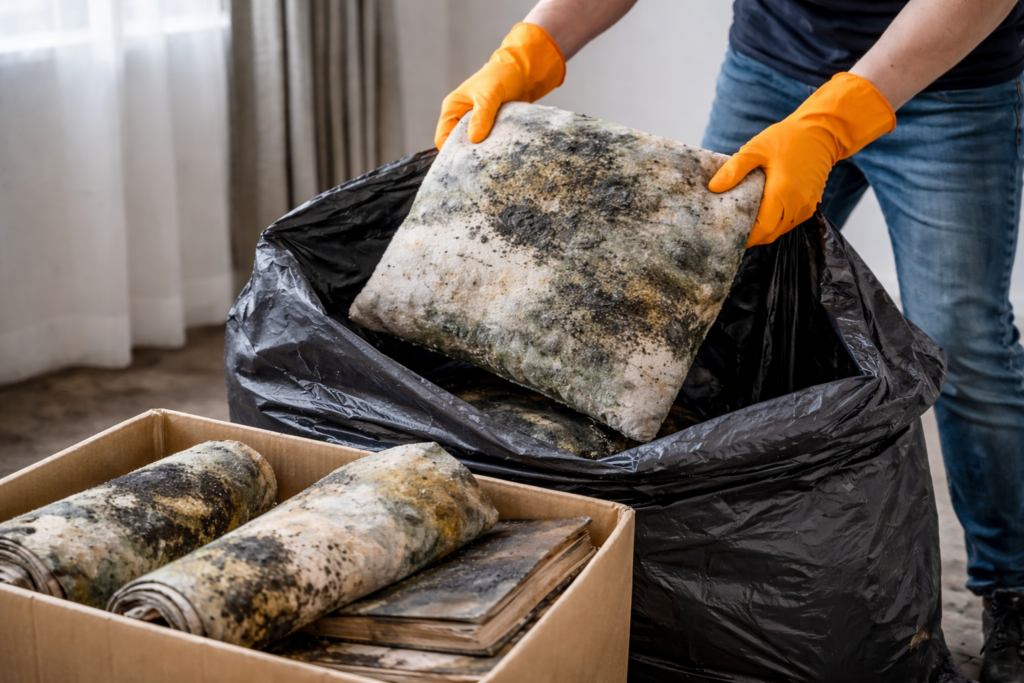
Discarding affected mouldy items
2. Vacuum the Affected Area Using Proper Filtration
Before wiping or cleaning mould, it is helpful to vacuum the affected surfaces and surrounding areas.
Vacuuming helps to:
- Remove loose mould particles
- Reduce the spread of spores during the cleaning process
- Extract mould fragments from surfaces
Ideally, a HEPA-filtered vacuum should be used, as it can capture very fine particles and mould spores that ordinary vacuums may release back into the air.
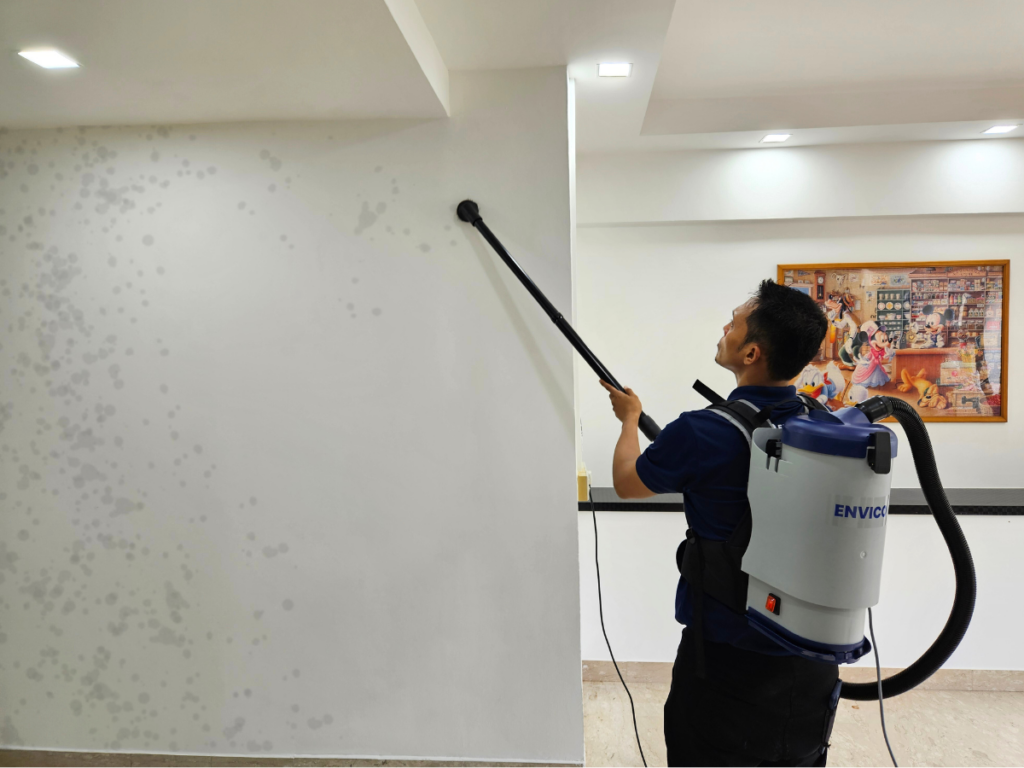
Envico: Mould extraction from contaminated wall.
3. Clean Surfaces With a Mould-Killing Solution
After vacuuming, contaminated surfaces should be wiped down with a suitable mould-removal chemical or disinfectant.
These cleaning solutions help to:
-
Kill mould colonies
-
Destroy mould spores on surfaces
-
Reduce the chance of regrowth
It is important that the cleaning solution used is strong enough to eliminate mould and its spores, yet safe for the material being treated. Surfaces should then be wiped thoroughly and allowed to dry completely.
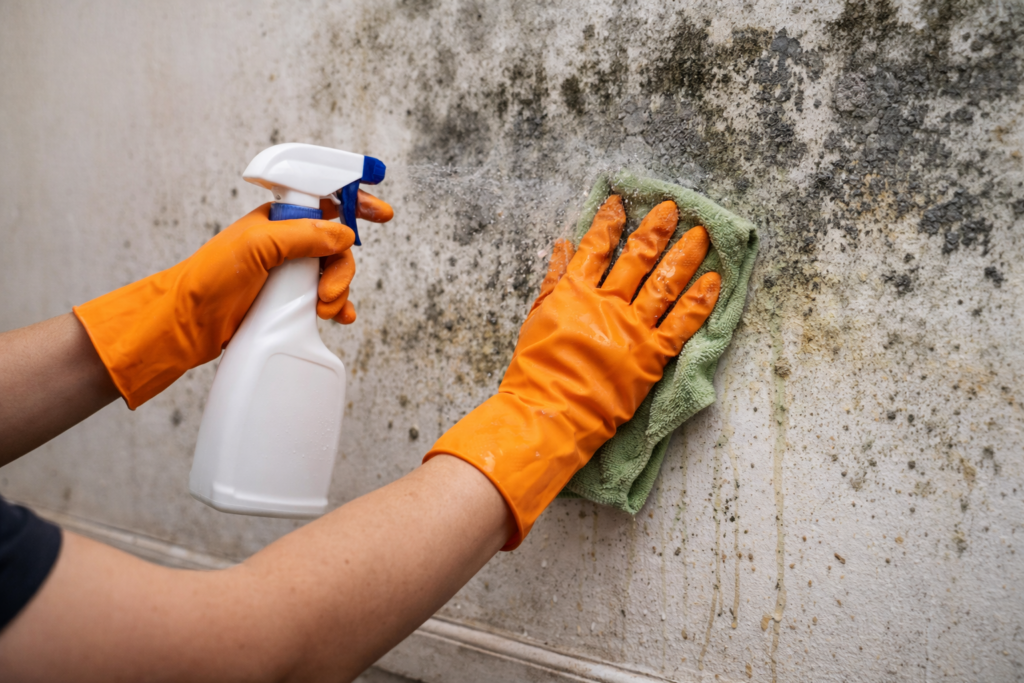
Wiping Mould
4. Upholstery and Fabric Items May Require Professional Cleaning
Mould that grows on upholstery, mattresses, carpets, and fabric furniture can be more difficult to remove because mould can penetrate deep into the material.
Professional upholstery or carpet extraction cleaning is often recommended in such cases. However, it is important to note that some mould stains may remain visible, as mould can permanently damage or discolour the material fibres.
The goal of professional cleaning is to remove mould contamination and spores, even if cosmetic staining cannot always be fully reversed.
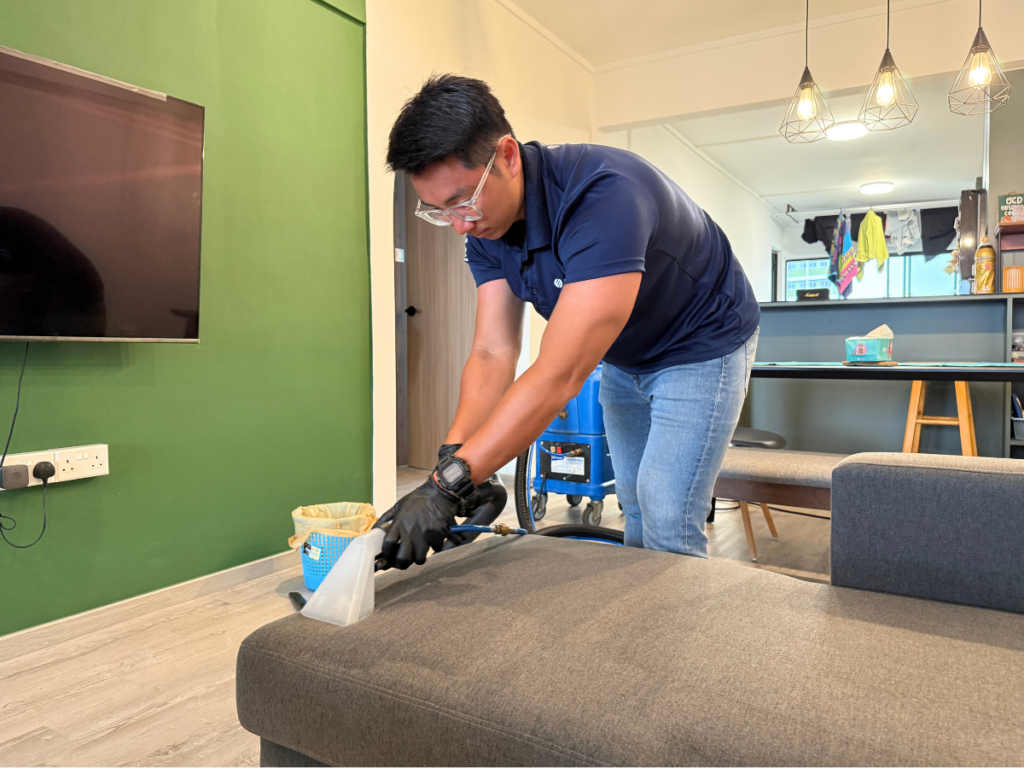
Envico: Fabric sofa mould removal
5. Remove Airborne Mould Spores to Prevent Regrowth
One commonly overlooked step in mould remediation is air treatment.
During mould growth and removal, microscopic mould spores become airborne and can settle on other surfaces. Even after visible mould is removed, these spores may remain suspended in the air or deposited in the environment.
If the underlying humidity conditions return, these spores can germinate and cause mould to grow again.
For this reason, professional mould remediation often includes air filtration, air scrubbing, or ozone blast treatment to remove airborne spores and improve indoor air quality.
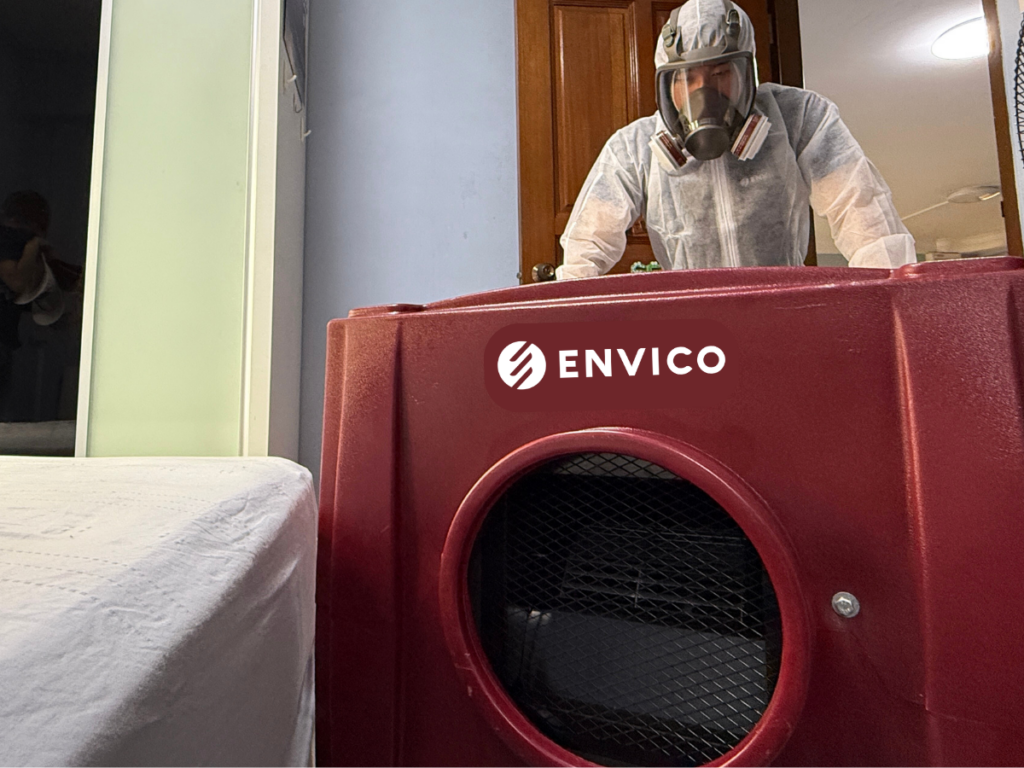
Envico: Removing mould spores
Professional Mould Removal in Singapore
While minor mould growth may sometimes be cleaned with proper precautions, larger infestations or recurring mould problems often require professional treatment.
At Envico, we provide specialised mould inspection, mould treatment, and mould removal services in Singapore, using professional equipment and remediation methods to safely eliminate mould and help prevent recurrence.
If you notice persistent mould growth, strong musty odours, or recurring mould spots, it may be time to consult a professional mould removal specialist.
Speak to our friendly Consultant today and schedule a mould inspection for your property.
You have gotten your enthusiastic hands on the keys to your new home and all ready to get comfortable in the cosy crib you have worked to build – till you swing your doors open to clumps of dirt, grime, and dust. Well, that is probably not quite what you imagined. Before moving into your new place, there are some basic necessities that you inevitably need to take care of before getting to the exciting part of your endeavour. One of which is giving your new home a thorough deep clean.
Why Do You Need to Give the Blank Slate a Good Clean
Whether you are moving into a new build to order (BTO) apartment or a resale flat, move in cleaning is a big necessity. Why? That is because you want your home to be in tip-top shape and condition before actually settling in. Especially because you are moving towards a brand new start, you surely do not want to live in a space full of dust and debris.
On top of that, the state and comfort of your home play a huge role in preserving your general well-being. Imagine coming home to yet another stress-box after a day of battle at work – which is truly a nightmare, to begin with. For these reasons, keeping your home spick and span has never been so important.
However, truth to be told, it can get pretty daunting and overwhelming if you have no idea of where to start. But wait, do not get thrown into a state of disarray just yet!
In this article, our experts have collated a quintessential move in cleaning checklist to get you feeling organised and going. Read on.
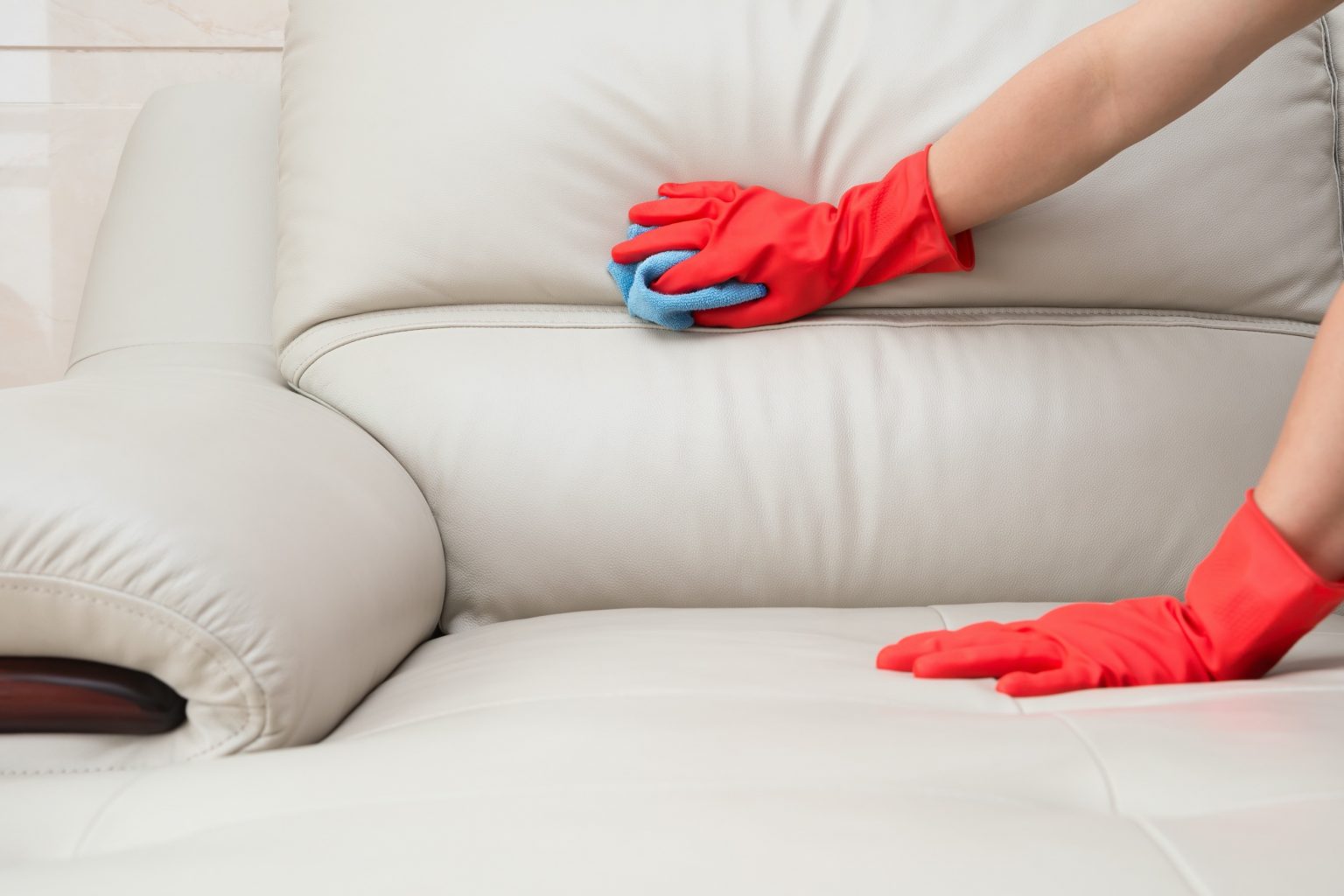
Living Room and Bedrooms
Wipe with an all-purpose cleaner after dusting
Let the all-purpose cleaner work its magic on non-porous surfaces here. Do note that you should not use your all-purpose cleaner on upholstery or fabric, among others.
Tip: Use a microfiber cloth when wiping.
Vacuum your upholstery such as couch or sofa
Upholstery cleaning can get a tad complicated. For a start, vacuum your upholstery first to get rid of the loose particles.
Clean, wipe and polish the windows
You would want your windows to have a streak-free shine. They deserve your utmost attention too, so be sure not to overlook this step!
Get rid of marks stuck to the walls
Clean up the marks left behind during the renovation and other works before it gets too late.
Finish up by vacuuming and mopping the floor Give it a finishing touch by eliminating all remaining debris.
Bathrooms
Apply grout cleaner first
Before anything else, we recommend applying the grout cleaner first to give the cleaner some time to sit on the surface, before you get down to scrubbing the tiles.
Disinfect, scrub and wash the shower area
Don’t forget to wipe down every surface, including soap racks, shower tracks, and doors.
Scrub the toilet bowl
The toilet bowl is something not to be missed. Be reminded to clean the hard-to-reach areas such as the nooks and crevices in between – these are often the most germ-ridden spots.
Clean the vanity countertops, sink, and faucets
Tip: Use a damp sponge or cloth to clean. Then dry the area, followed by a disinfectant spray.
Polish the mirrors
Get your mirrors dazzling again with a glass cleaner.
Kitchen
Clean your appliances inside out
From the surfaces of your everyday appliances (such as refrigerator, oven, and microwave) to their interior, give them a deep clean.
Wipe countertops, drawers, cabinets, and shelves
Polish your sink and dishwasher
Take it Slow
It is no surprise that move in cleaning is a laborious task that requires a great deal of time and effort, and probably plenty of patience too. Chances are, you are not going to get everything done within a day. We recommend taking your time during the cleaning process so that you can get down to even the smallest detail in your new home.
Nevertheless, if time is your greatest concern here, you may want to consider getting support from a pre move in cleaning company in Singapore. A professional cleaning team like us at Envico is not only well-equipped to get the job done in a heartbeat, we also offer value-added services such as a complimentary pest inspection to keep every aspect of your new home in check. Think about being able to kick your feet up and relax in your new home without having to go through the arduous process of deep cleaning – we are sure that it cannot get any better than that!
If you have been sleeping on that one mattress all your life and have never made an attempt to give it a thorough cleanse – hold right there. Just because you wash your pearly white sheets and switch them up often, it is easy to assume that your bed is one of the cleanest things in your home. Alas, that couldn’t be further from the truth.
The uncomfortable reality that we have to face today is that the world under your sheets is as yucky as it can ever get. It is so gut-churning that you might just wear protective gear to sleep tonight.
Well, if you are not so convinced by the revelation that your mattress is a complete filth-trap, it is about time for you to meet the horrifying substances that will shake you to your core.
Dead Skin Cells & Dust Mites
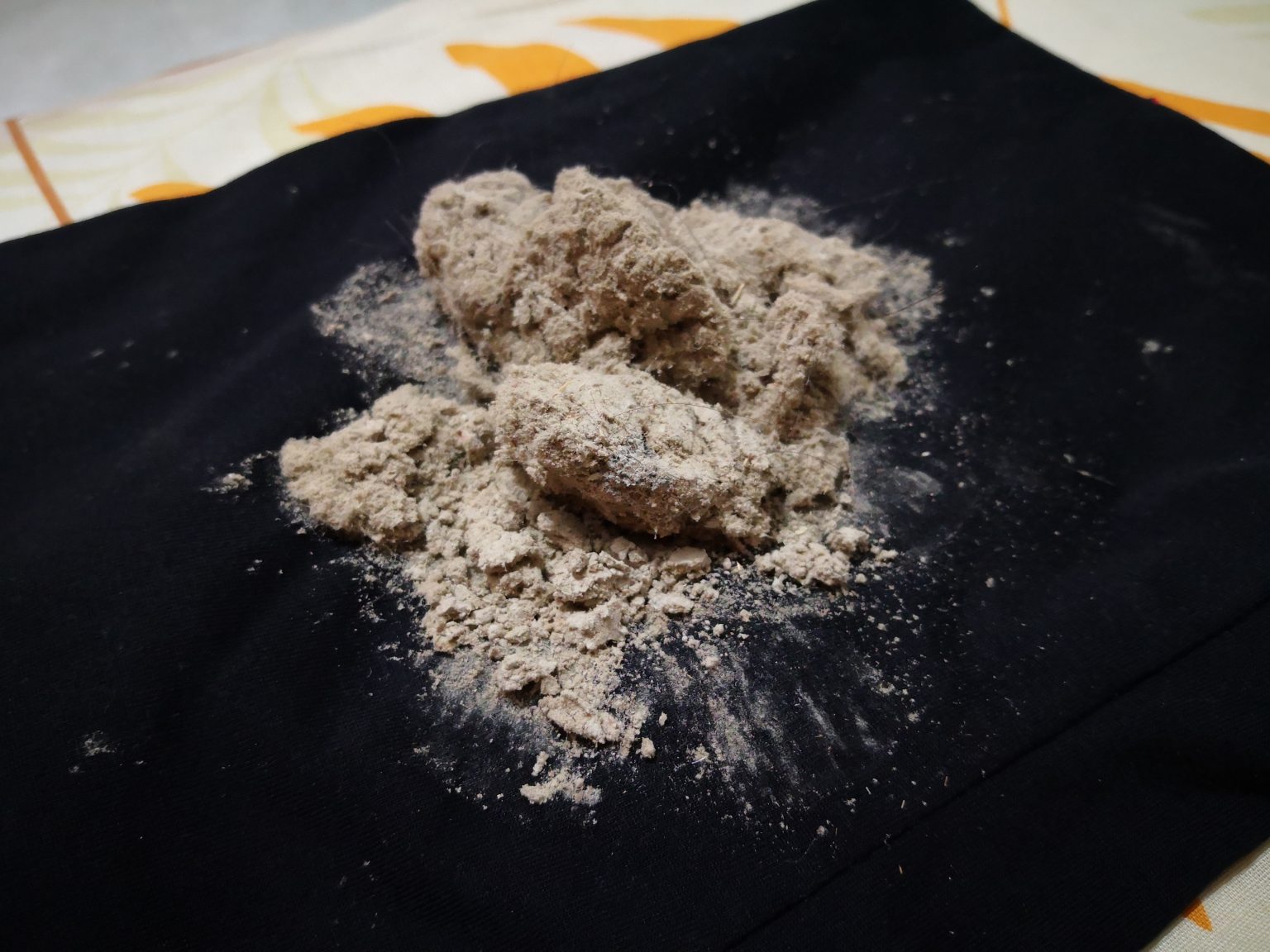
As a human, we constantly shed a surprising amount of approximately half a billion skin cells in a span of 24 hours, to make room for newer cells to grow. This means that in one minute, we slough off about 30,000 to 40,000 dead skin cells. Since we spend about an average 8 hours on our daily beauty sleep, the amount of skin cells that are accumulated in our mattress from just one night of sleep is far beyond imagination – you might want to do the math right there.
While the accumulation of these flakes of skin alone will not cause a direct grave impact on your health, they, however, form a prime habitat for dust mites to grow and thrive. Why? That is because organic debris such as dead skin cells, mould, fungi, dead mites, bacteria, and pollen serves as dust mites’ daily nutriment. These scavengers survive by feasting on them and then multiply rapidly.
A possibly not-so-fun fact: Do you know that – on average, our mattress can contain up to 10 million dust mites if we do not implement a proper mattress cleaning approach periodically?
Mites Faeces
Like the human, after ingesting dander, these dust mites defecate. It is found that a single mite can produce up to 20 waste droppings a day. What’s worse, these faeces are so tiny and light-weight that they can become airborne.
Accompanied by these faeces are enzymes, an allergenic protein. And if you don’t already know, chronic exposure to these allergenic proteins can lead to detrimental health impacts such as asthma or allergies.
Bacteria
If you can think of one microbe that mattresses are swarming with, the answer would be bacteria. True enough, bacteria can be found everywhere. However, the number of bacteria that are accrued under those sheets can be alarming.
These bacteria are traced from everywhere – your skin, saliva, intestine, stool and genital, even from crumbs, food spills and sweat. The amount of bacteria in your sanctuary isn’t just appalling on its own. In fact, the comparison between the sleep environments of human with wildlife is going to bring you a rude awakening. According to a study conducted by the University of North Carolina, it was found that a chimpanzee’s nest harbour far lesser bacteria than a human’s bed. This means that you are sleeping in a condition that is far less favourable than a chimpanzee’s.
Fungal Spores
If everything else above isn’t terrifying enough to get you cleaning your mattress right away, here is something else that is lurking under it – fungal spores. Your mattresses are populated with fungal spores, between 4 to 17 different species of them. With the ideal combination of optimal temperature and moisture level, your mattress has involuntarily transformed into a kingdom for fungi growth. When inhaled routinely, it can lead to health implications such as weakened immune systems, asthma, infection, rashes and more.
How Can You Protect Yourself from The Torrent of These Horrifying Substances?
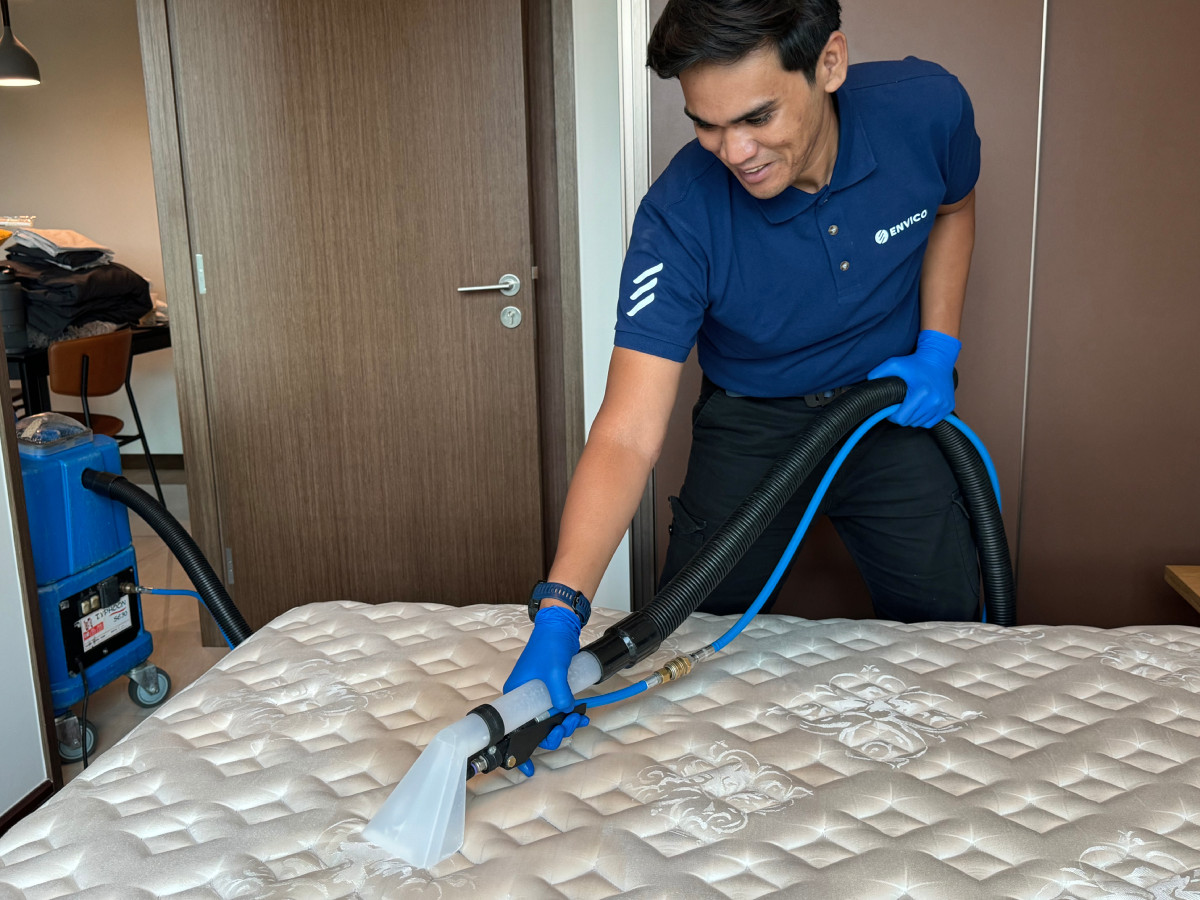
The key line of defence against these substances? We’d say it stems from giving proper thought and attention to your mattress. To make sure that they truly stay guarded and comfy in the years to come, start engaging professional mattress cleaning services in Singapore every quarterly to half-yearly for general maintenance. If you are facing skin, sinus or dust mite allergy, we’d recommend you to employ mattress cleaning services once a month to once every two months.
Since the spread of the Covid-19 virus, there is an evident spike in demand for household cleaning and personal hygiene products such as disinfectants, alcohol wipes, anti-bacterial wipes and more, as households in Singapore step up on their cleaning efforts. One particular off-the-shelves product that witnesses continuous surge even until today is none other than a supercharged cleaning agent that claims to eliminate 99.9% bacteria.
However, does an increase in cleaning frequency, along with these products, actually translate to cleaner homes? Now, we are all set to find out!
Our team at Envico, (previously known as Clean Lab) is very honoured to be part of the latest episode of the current affairs programme, Talking Point. Along with the host, Diana Ser, our experts visited 3 households who have embarked on an elevated cleaning routine since Covid-19 broke out. Apart from being increasingly particular about good habit of hygiene and sanitisation, these families have also ‘upped their cleaning game’ by investing in what we perceive as ‘game-changing’ cleaning products. The question is – are these really efficacious?
Unfortunately, upon the execution of our sanitisation audit and assessment, the appalling results have shown very much otherwise.
What is sanitisation audit and assessment, and what does it entail?
Sanitisation audit and assessment at Envico is designed for folks who’d love to have their homes’ cleanliness standards assessed, and is especially beneficial if you are suffering from health conditions such as allergies, skin rashes and sinus, to name some.
The following testing methods were deployed to deduce the results:
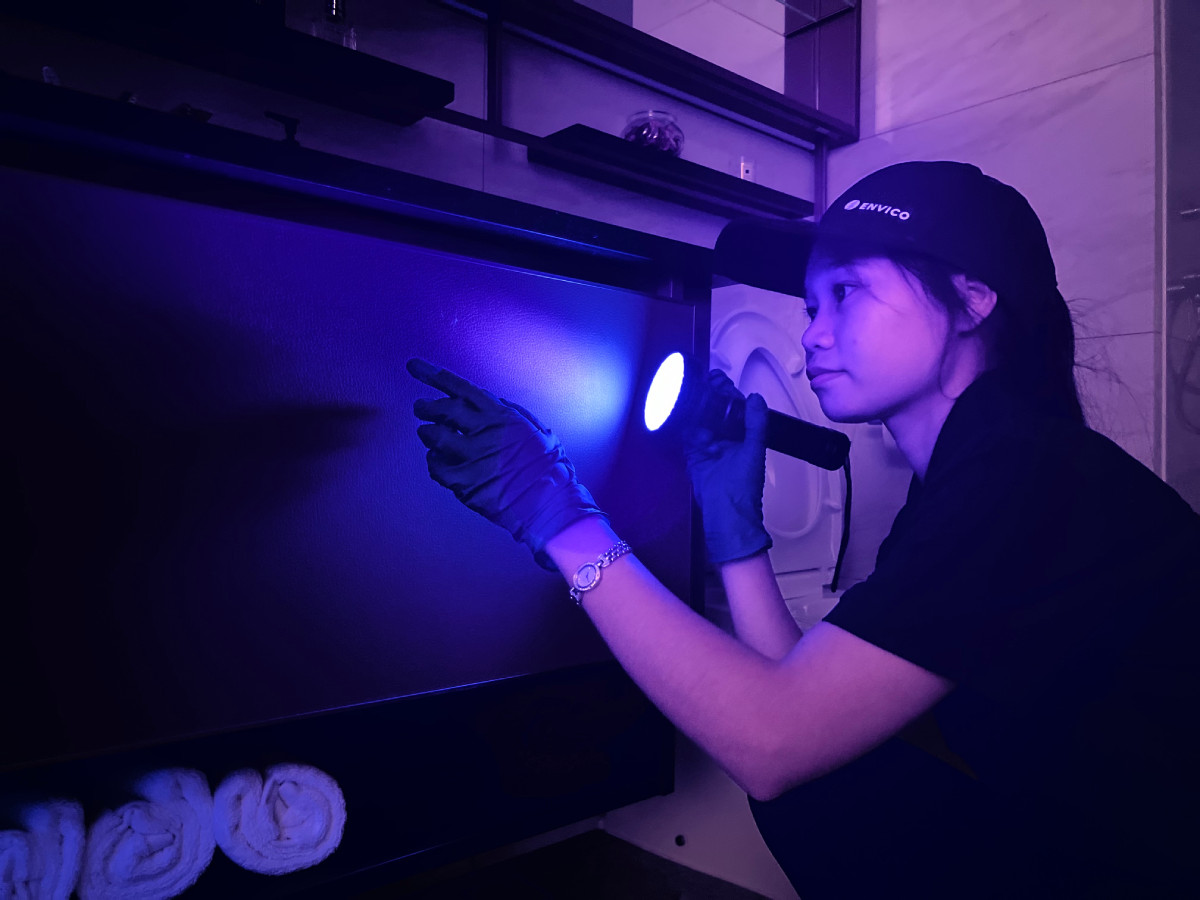
- Black light assessment:From mattress, sofa and rug to kitchen, bedroom and living room, our team manually inspects these surfaces with the employment of black light. Through this assessment, we can detect revolting stains that are resulted from urine, blood, saliva and dried liquid.
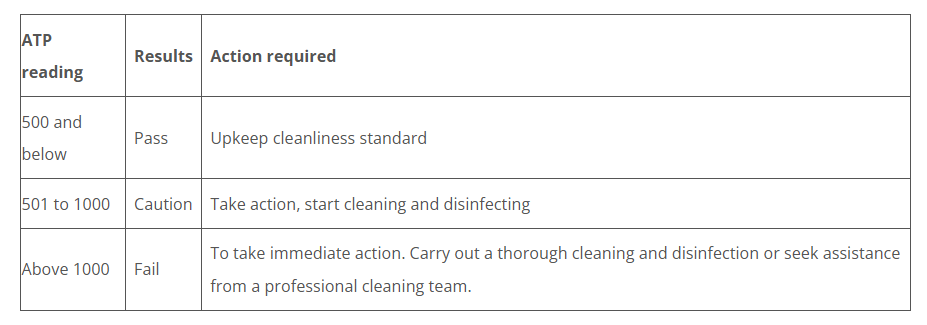
- ATP testing: As exhibited in the programme, ATP testing provides you with an almost-instant result on the total dirt count lingering on these surfaces. Below is a general guideline on measuring ATP Relative Light Units value based on a residential or office unit.
- Environmental swab test: We perform a swab on a surface, and have the sample incubated for 3 to 5 days. This swab test allows us to detect the presence of specific harmful bacteria such as E-coli, salmonella, mould, and yeast, as well as viruses such as Covid-19.
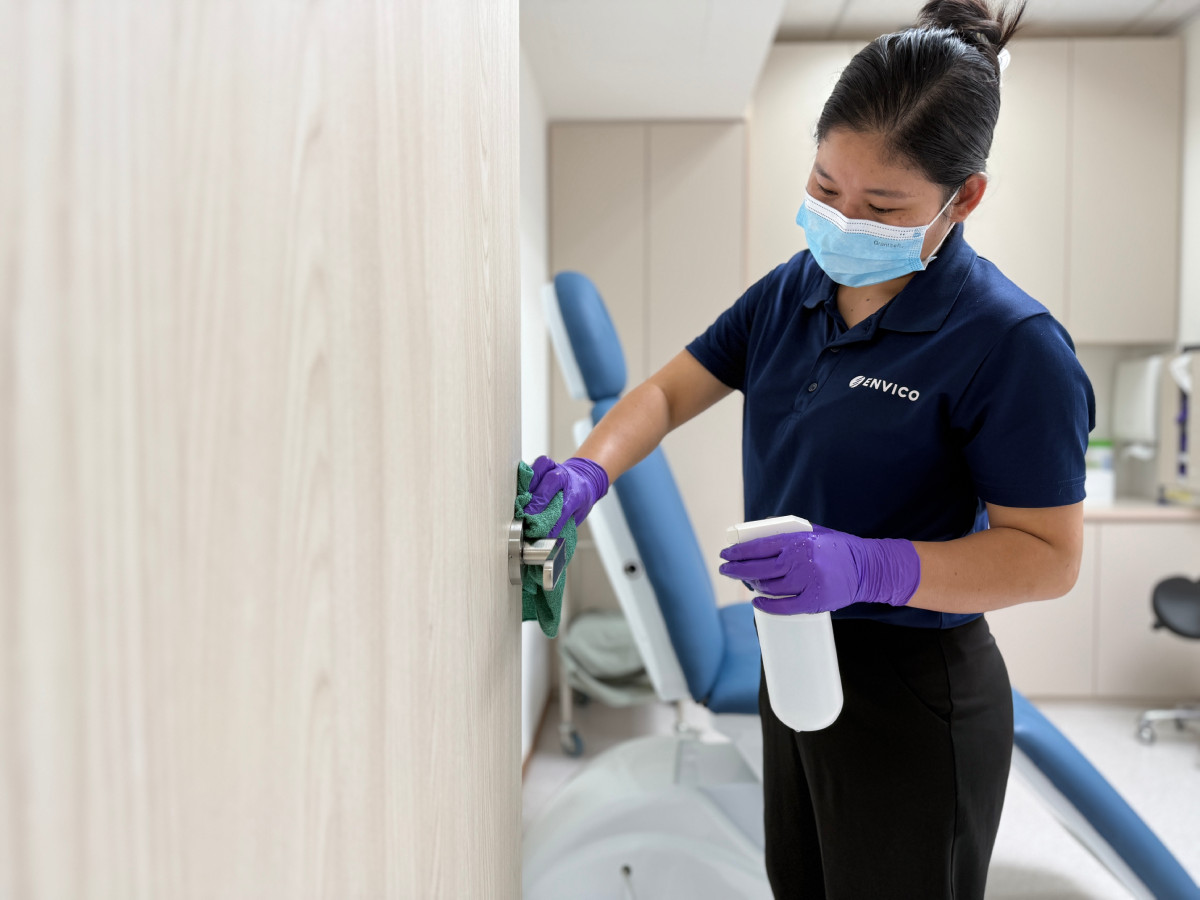
Upon receiving test results, our professional crew will return to execute proper house cleaning and disinfection work, ensuring that the results meet the passable scale. That is not all – our services also include providing on-going protection by coating your surrounding surfaces with anti-microbial protection treatment. With this treatment, a layer of positively charged molecular pins then bond to the treated surfaces and protect them against germs, bacteria, and viruses for up to 30 days for high touch surfaces, or even 90 days for low touch surfaces.
It all boils down to your everyday cleaning routine
To maintain an adequate level of hygiene standard, it has to start from the fundamental – your daily cleaning routine.
Apart from the aforementioned testing, our team is set to understand:
- Your cleaning frequency
- What products were utilised in the process
- How you use the cleaning tools and products
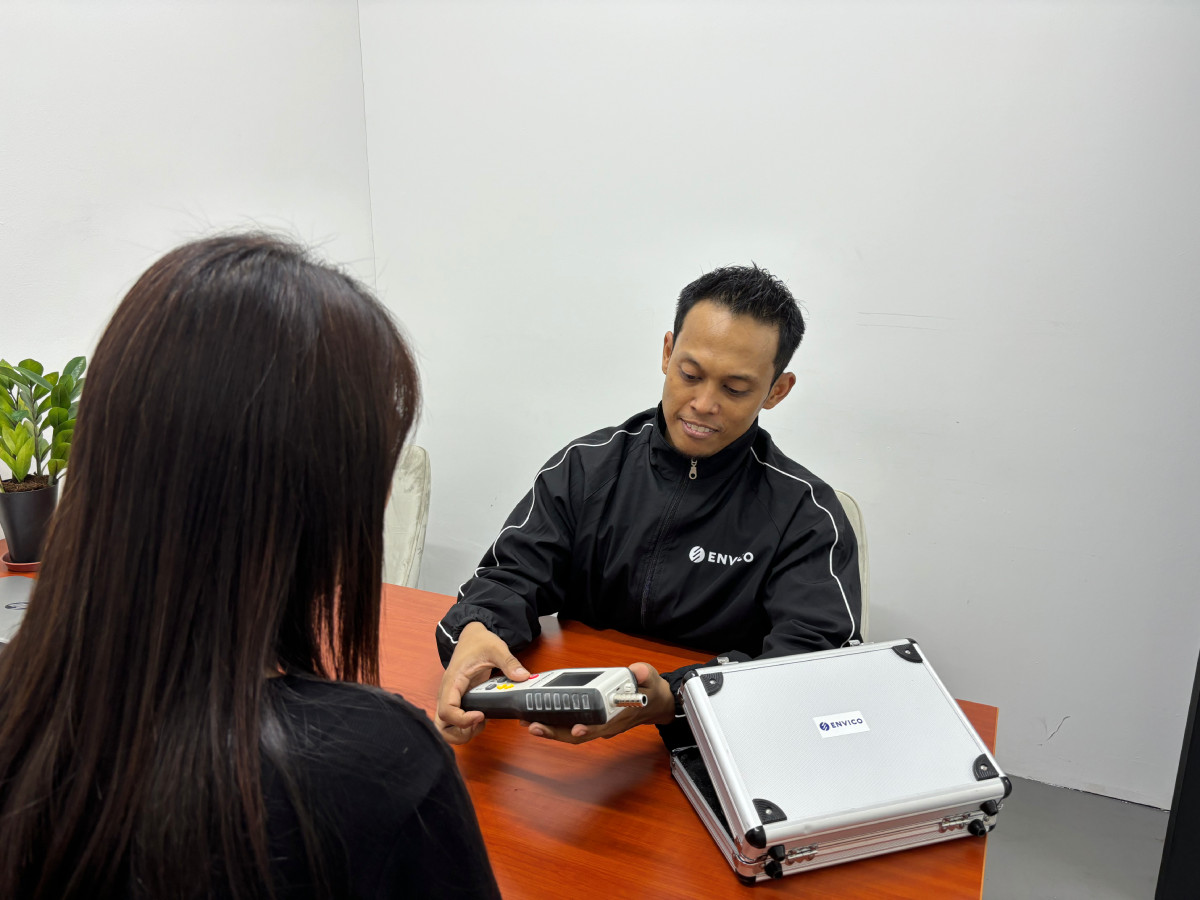
With that in mind, we then formulate a personalised cleaning and disinfection program, which specifically addresses your individual needs. This cleaning program is meant to complement your existing cleaning regimen.
Bottom line
Keeping viruses and bacteria at bay is not challenging, as long as you clean the right way. Should you be suffering from chronic health conditions that could be resulted from unideal cleaning habits, perhaps it is time to uncover the underlying reasons with the help of experts. As far as health is concerned, take no chances!
If there is one thing that most Singaporeans have in common, it will be that we are all a lot more vigilant about keeping our homes clean (or rather well-sanitised) these days. It can be hard to admit – but you’d probably never been this diligent in your cleaning routine, ever.
However, in our previous blog post, we have revealed that these heightened cleaning efforts don’t necessarily translate to spotless homes – even for the most hygiene conscious homeowner that embraces an elevated regime. Why is that so?
Well, let’s give our cleaning ritual a second look. Theoretically, we all know what it means to “clean”. But in actual fact, many tend to forget that cleaning should go beyond wiping down the ‘scrub-down-obvious’ spots such as bathroom floors and open spaces. One of the many reasons why we were not able to eradicate bacteria, germs, dust and grime stems from negligence. That’s right. You’ll be surprised to find out that some of the objects that require the most attention are the ones that often go unnoticed.
Now, get equipped with your buckets and cloths (we bet that you’re going to need them at the end of this article) as we run through some of the household objects that tend to slip through the cracks.
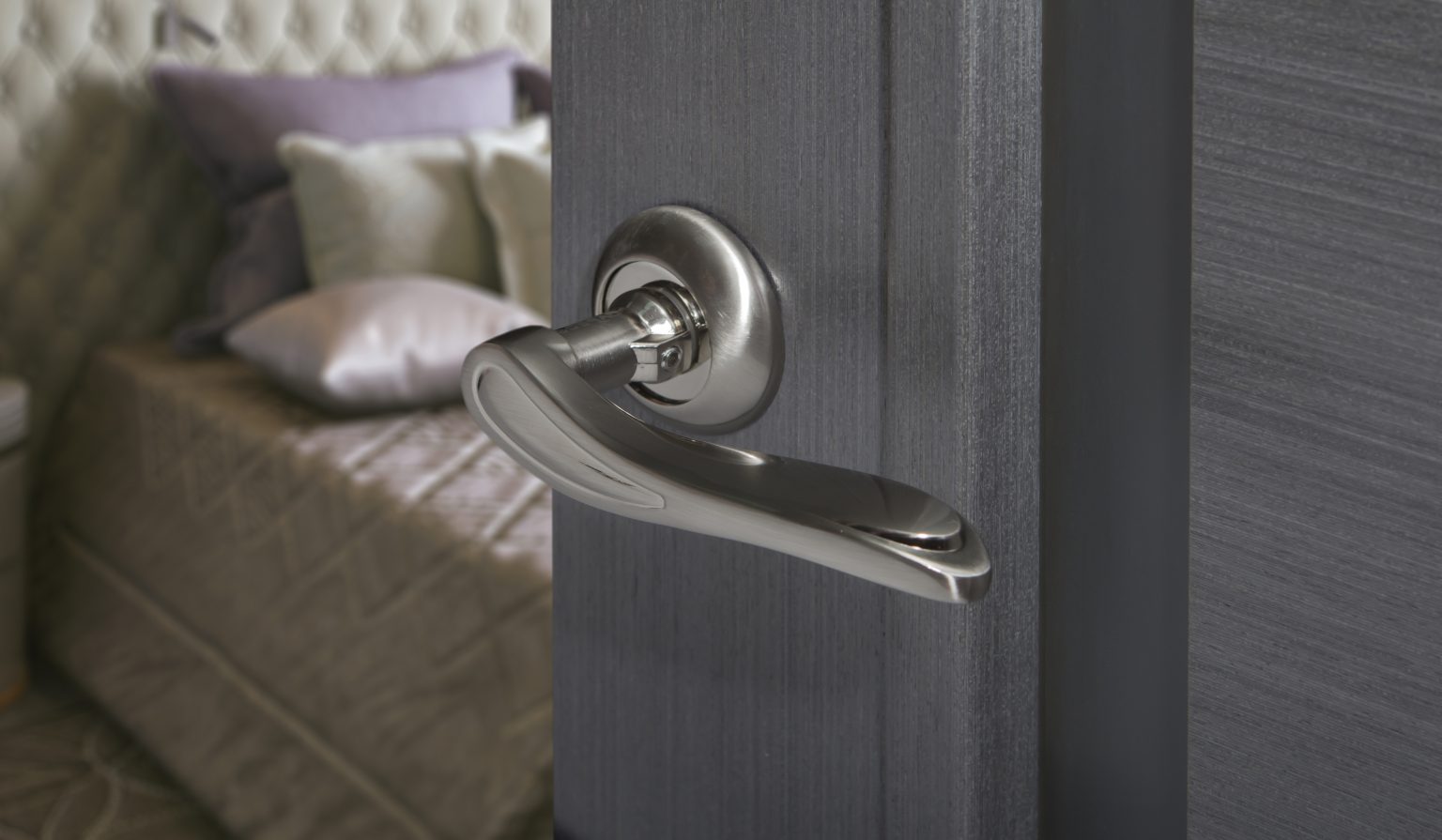
- Handles and doorknobs

What are some things that have been touched by everyone but cleaned by no one? Handles and doorknobs!
We can’t emphasise enough – handles and doorknobs are the perfect breeding grounds for germs and bacteria, and they need to be tackled right away. Never wait until they become visibly dirty before you get down to work. From the handles of your fridge and cabinets to other kitchen appliances, one should never skip these surfaces, considering the number of actions they get throughout the day.
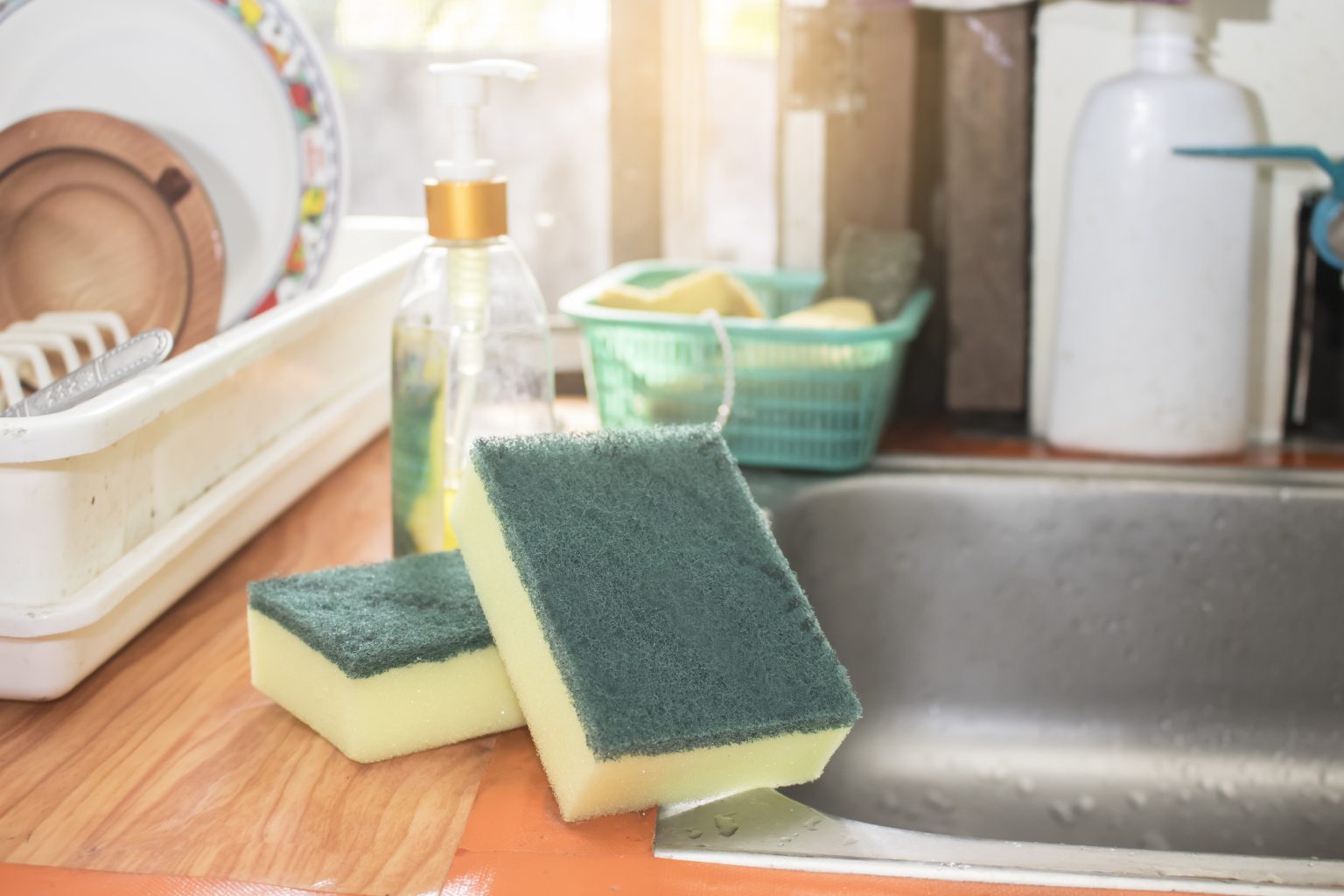
- Kitchen sponge

Holler if you are guilty of not replacing your kitchen sponges weekly! We know, at this point, you’re probably surprised by how often you should replace them. But really, this small but mighty tool that we rely on oh-so often collects a hair-raising amount of microbes thanks to its warm and moist surfaces. To prevent the spread of nasty bacteria, it’s about time to kick the sponge hoarding habit.
- TV remote control

Right under your finger lies a major germ magnet – the TV remote control. Believe it or not, your remote control can be a major health threat to the members in your household. Picture this in your head – the remote control bounces off the sofa, comes into contact with sticky hands and people sneeze on it. And when’s the last time someone cleans it, if ever?
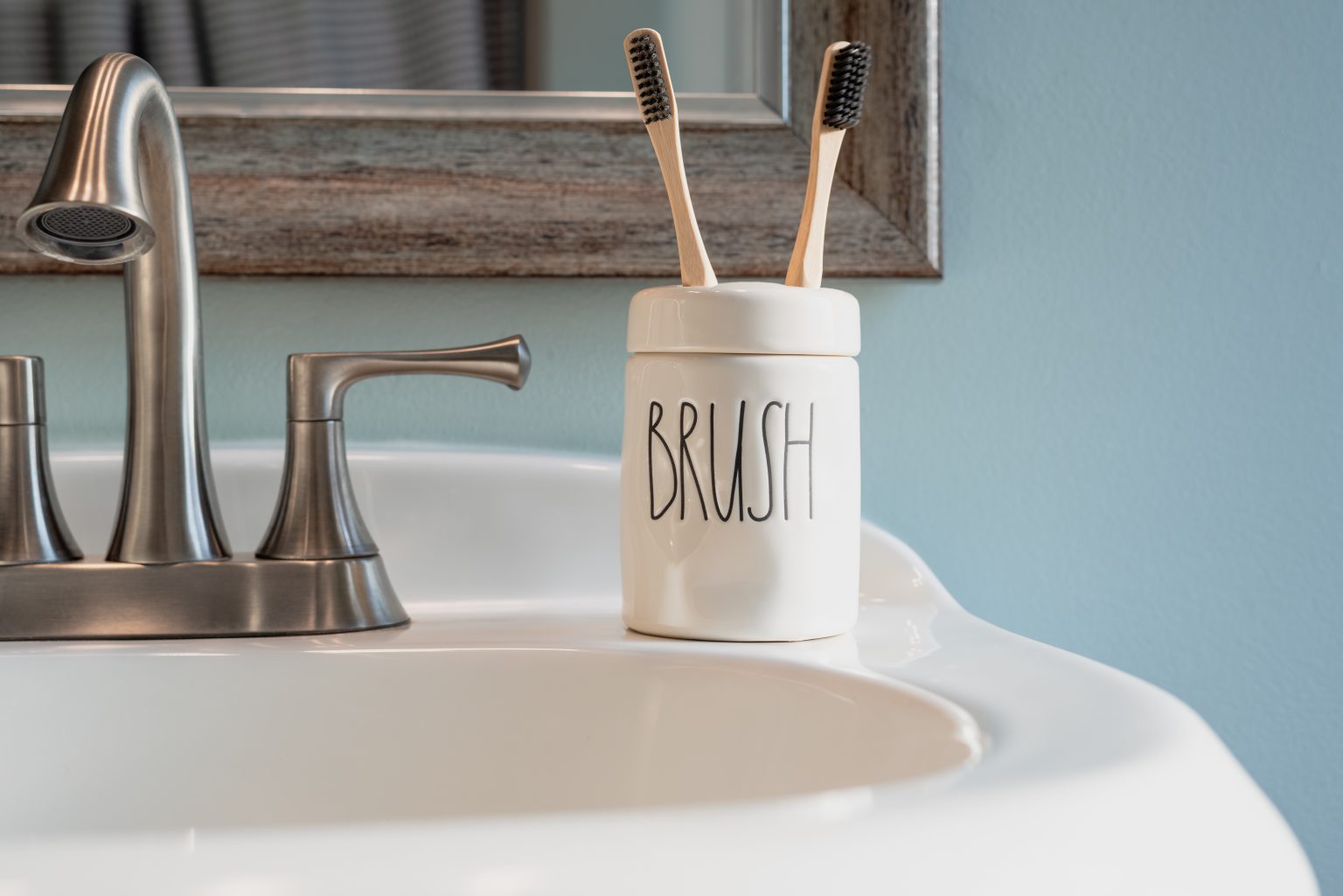
- Toothbrush holder

According to a study by NSF International, the toothbrush holder, which is a little-known germ breeding ground, actually ranks as the third germiest spot in the home. When you stow your toothbrush in the holder, it collects the droplets and gunk from your wet toothbrush. Go on and peer inside your toothbrush holder. Chances are – you’ll spot crusty mixture well-hidden within it.
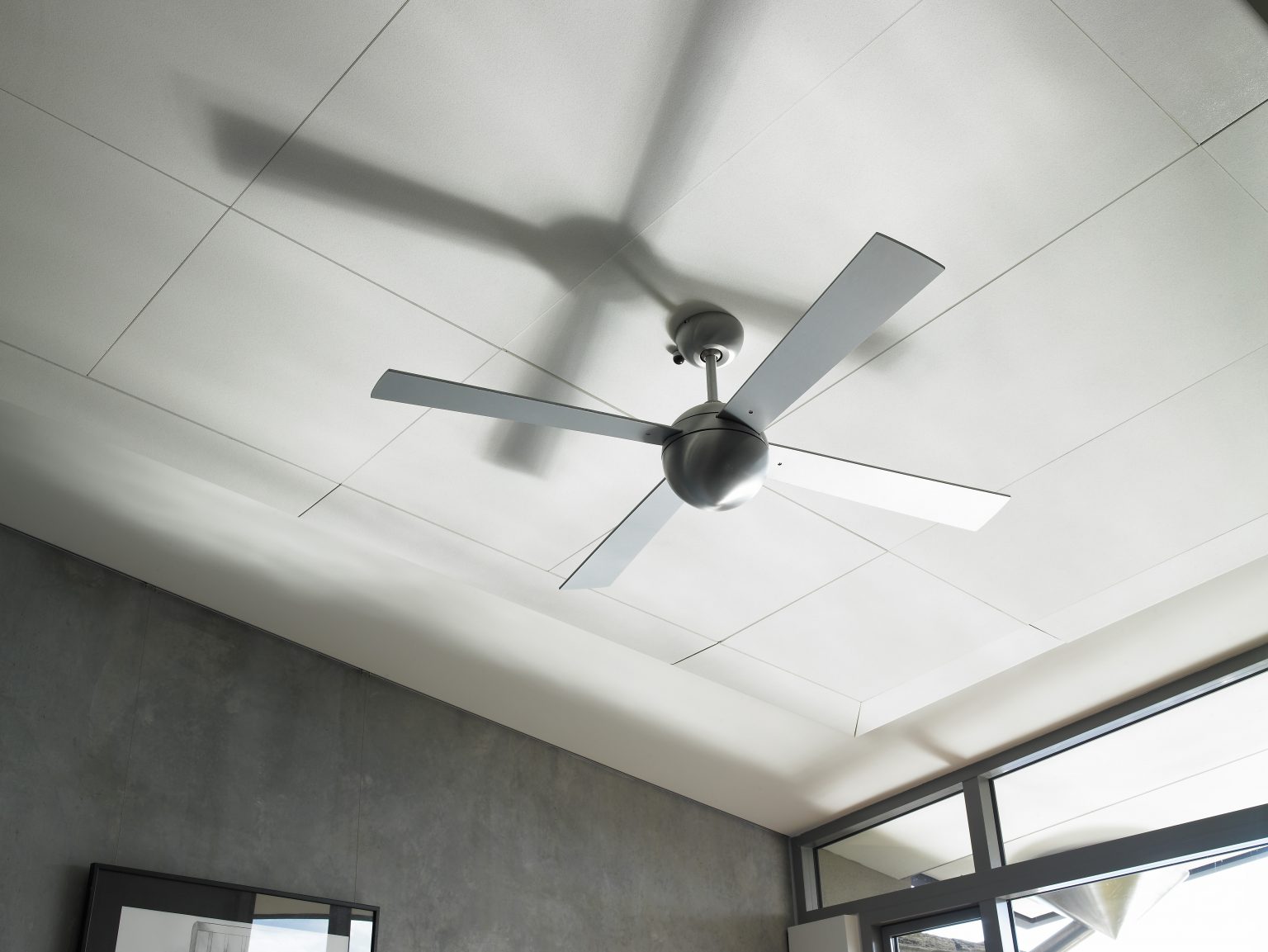
- Ceiling fans

You don’t have to wait till your yearly spring cleaning season to clean the ceiling fans. Well, unless you’d love to have some dusty clumps flung around every time you turn it on. While it can sound like a total drag, ceiling fans should be dusted minimally once a month (or better still, bi-weekly).
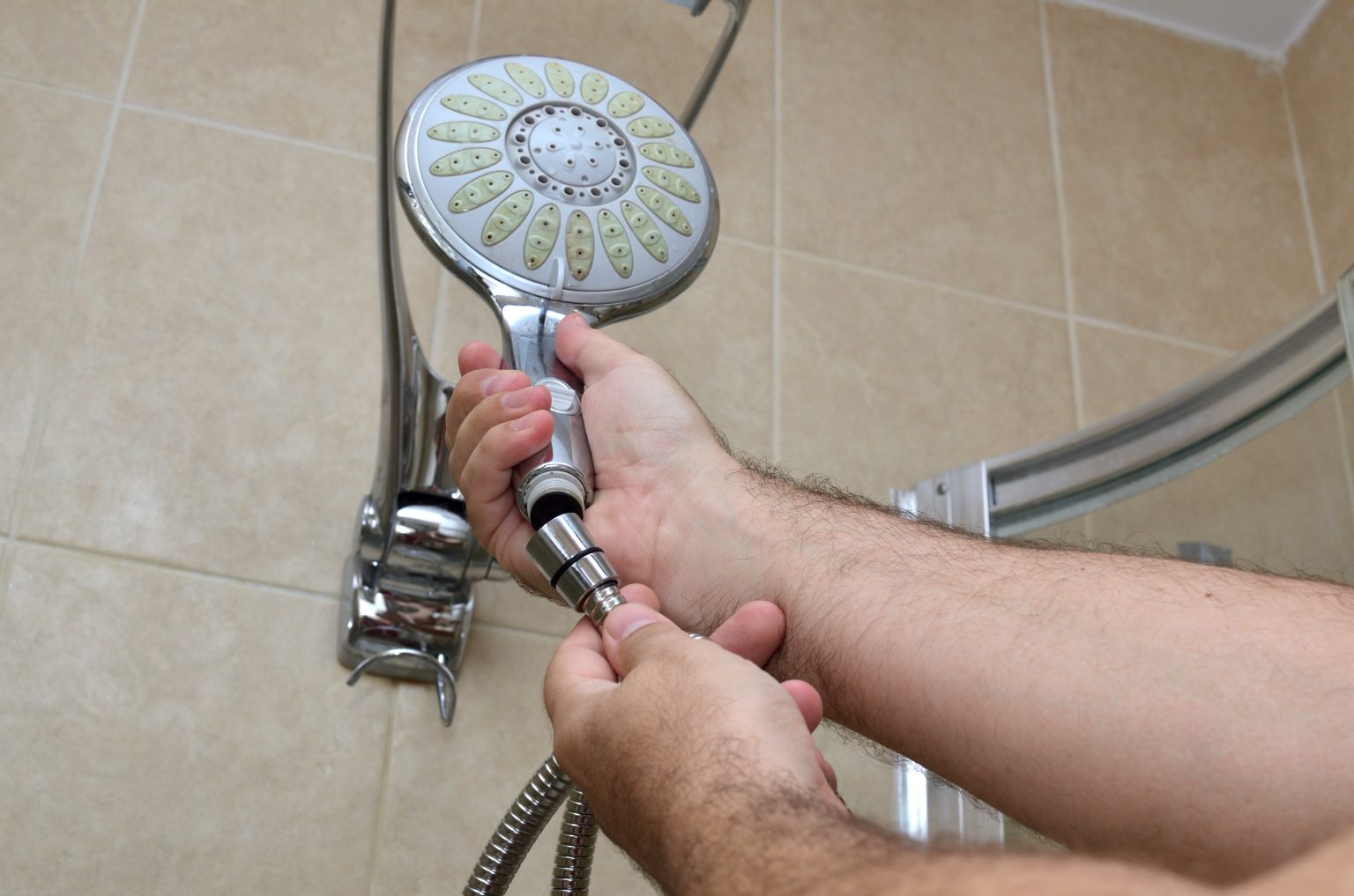
- Showerhead
While you’d probably been cleaning the exterior of showerheads regularly already, the interior of it deserves some attention too. Over time, mineral deposits and organic matter can be accumulated in your showerhead. Just think about the microbes that are being dispersed into the air every time you step into the shower.

Final word
It can be tempting to cut corners when cleaning your home, but our cleaning professionals in Singapore swear by going through each motion meticulously. When cleaning starts to become a nightmare, and you can’t seem to put dust and bacteria under control, why not consider house cleaning services?
With years of experience under their belts, our cleaning professionals have what it takes to get your home back on track! Find out more about Envico house cleaning services rates.
Oh Christmas, our absolute favourite time of the year that is filled with all things magical and merry. It is also a season where we gather together with our nearest and dearest for party bashes and real feasts. Even though social gatherings like these are set to be very different in 2020 amid the pandemic, we aren’t letting it rain on our parade. And because we love the festive season so much, our Santa here is going to arm you with not one, not two, but five killer cleaning hacks you ought to know for a stress-free Christmas this year!
Don’t wait till the last minute holiday rush – no one wants to be cleaning on the first day of Christmas. So be sure to strike them off your list, right now!
- Curate a full cleaning plan
To kick off your house cleaning plan, do yourself a favour and walk through your home with a visitor’s eye. Place emphasis on the things you will see when you enter someone’s house.
Next, list down all the nitty-gritty details and imperfections that you have spotted, and make a list. Trust us – this will provide you with an order and structure to take on these drudgery tasks.
While at it, create a playlist with upbeat Christmas music to keep you movin’ and groovin’ along the way.
- Anywhere you clean, don’t neglect the bathroom
Can’t find the time for a full-on bathroom cleaning? We feel you. Not to mention, bathroom cleaning is one of those household chores that we all tend to procrastinate (hands up if you’re guilty of that).
Well, the least you could do is to remove all toothpaste splashes, stubborn scum and water spots off the surfaces. For the final touch, make your bathroom feel like a five-star hotel by placing fluffy towels for your guests.
- Vinegar to the rescue
Singaporeans’ love this hack! If engaging a proper house cleaning services is not your cup of tea (although we do strongly encourage you to opt for one), consider cleaning spills and stains on your rug with vinegar.
Simply mix equal parts of hot water and vinegar to form a mixture, and spray it onto your rug. To get rid of the temporary pickle smell from the vinegar, add lemons into the ‘concoction’ prior to cleaning.
- Prepare mattresses for your guests
When you host a Christmas party, chances are that your guests will stay overnight. That said, you’d want to ensure that they feel at home.
No guest likes the thought of sleeping on a mucky mattress, so be sure to gather your cleaning supplies and give these mattresses (that you’d probably haven’t been touching for centuries) a deep clean.
If you choose to do-it-yourself, the first step is to vacuum – ideally with a specialty mattress vacuum with ultraviolet light beams. Otherwise, ensure that your regular vacuum cleaner has powerful suction to get the job done. Subsequently, carry out spot cleaning by sprinkling baking soda directly on your mattress, and leave it to work its magic for an hour or so. Then, vacuum the residue.
- Book professional house cleaning services early
The demand for professional house cleaning services in Singapore during the holiday season is high. Therefore, it is only wise to book them before the holidays officially kick-off. The last thing you want is to feel distressed and anxious over having to perform the last-minute tasks yourself. The thought alone is enough to send shivers down your spine, isn’t it? Fret not, Envico has got your back – as always! Reach out to us to find out how we can help you get through the holiday season without a hitch.
Do you wake up in the morning with intense skin irritations or mysterious allergies? If so, you might be cudgeling your brain all day to pinpoint the culprit – is it bed bugs or dust mites?
For a long time, folks in Singapore tend to use these two terms interchangeably, presuming that they were the same thing. But the truth is that they are both very different organisms, and naturally, they affect humans in very different ways.
While you certainly don’t want either of these hard-to-spot, pesky pests in your living space (particularly in your mattress) educating yourself on their differences empowers you to tell them apart, seek the right treatment and take the right preventive measures in time to come. After all, the last thing you want is to do nothing, allowing these uninvited guests to invade your sleep sanctuary.
Now, our cleaning team here at Envico is here to help you through this endeavor, so you can stop these creepy-crawlies from making a free meal of you!
Bed Bugs: What Are They?
Bed bugs, otherwise known as nocturnal parasitic bugs, are small species of insects in the genus Cimex lectularius and Cimex hemipterus. The size of an adult bed bug is approximately 5mm long and 33mm wide (the size of an apple or sunflower seed) – this means that they’re indeed visible to the naked eye. In general, they are recognised for their reddish-brown colour and long, flat, oval-shaped body.
Their Feeding Habits
As nocturnal organisms, bed bugs creep out in witching-hour to hunt for food. Like mosquitoes, they thrive on animal’s or human’s blood – which also explains why untrained eyes tend to draw mistaken associations between the two symptoms. However, unlike mosquitoes, bed bugs have sharp, saw-like mouthparts that enable them to “slice” through your skin (think – a knife through butter), leaving behind hard-to-eradicate bites that can range from small itchy rashes to inflamed, red welts.
Their Habitat
Crevices and corners that are hidden from plain sight are bed bugs’ favourite hiding spots. They could be burrowing in tight spaces beneath your upholsteries, behind the headboards and the likes. With a penchant for secreting themselves, hunting these critters down can be a daunting task. But here are some tell-tale signs of their presence:
- There’s an unexplained musty odour in your room
- You tend to wake up with itchy red marks/bites in a distinct pattern
- Waking up to sheets dotted with blood
- You come across cast skin or faecal marks (rust-coloured spots) of bed bugs
Dust Mites: What Are They?
Dust mites, on the other hand, are microscopic spiders that belong to the mite family of Pyroglyphidae. They boast translucent, whitish bodies, and are only about 0.3mm in size. This means that you can’t really spot them with bare eyes unless you have a superhuman vision.
Their Food Source
Dust mites don’t bite, but instead, they feed on skin flakes and dead skin cells that human shed daily, and sometimes, moulds. Considering the number of dead skin cells that we shed daily, you can wholly imagine dust mites feasting like royalty!
Where They Hang Out
Within homes in Singapore, the highest concentrations of mite allergens were found in mattresses. Why? Because that’s where the most dead skin cells are being shed, which means, an abundance of food for them prevail. On top of that, dust mites prefer indoor environments that are moist and damp.
Why Are They a Cause for Concern?
Unless you get rid of them, bedtime may never be the same again. A new study conducted by researchers from NUS-SMART has indicated that dust mites found it pillows could present engender more harm to asthmatic individuals than previously thought. Given that one in five children and 5% of adults in Singapore suffer from asthma, dust mites can pose serious health risks when inhaled through the respiratory system. This does not mean that they are only hazardous for vulnerable individuals. An otherwise healthy person can, too, suffer from allergic symptoms encompassing eczema, rhinitis, and more.
Managing Infestations
If you’ve spent a long time battling the two stubborn enemies, the good news is that there are several solutions and preventive measures you can take to keep them at bay.
A sure-fire initial step is to engage in mattress cleaning services in Singapore. Why so? Let’s take our treatment at Envico, for instance. During the mattress cleaning operation, an in-house entomologist will be present to offer his/her expertise on these pests. Concurrently, our crew will also carry out a visual inspection on the mattress to identify any tell-tale signs of other pests. Thereafter, an appropriate corrective action plan will be recommended to ensure effectuality. Equipped with specialised cleaning tools, mattress cleaning service providers, like us, can productively put pest infestation under control – all without you having to lift a finger.
Have more questions? We’d love to help! Reach out to us today.
Let’s be honest – when it comes to our daily cleaning routine, many of us wouldn’t even think of cleaning our sofas and mattresses. And it’s not just that. We wouldn’t even bat an eyelid even if someone tells us that our sofas and mattresses are actually the dirtiest objects in our homes and that there’s a need for them to be professionally deep cleaned every half-yearly to quarterly. After all, we change our sheets every week. Plus, they’re still looking as good as new, right?
Well, this is a common misconception that many folks in Singapore have. We have to burst the bubble here. A visually clean upholstery doesn’t mean that they are really clean – not even if they are entirely new.
We’ve shown you what’s lurking in your mattresses in our previous article – dead skin cells, dust mites, bacteria and many other gut-churning substances that are not visible to the naked eye. But if you’re still somewhat cynical (which we totally understand), we’ve gathered some samples collected from one of our past projects below. Let’s go through them one by one, shall we?
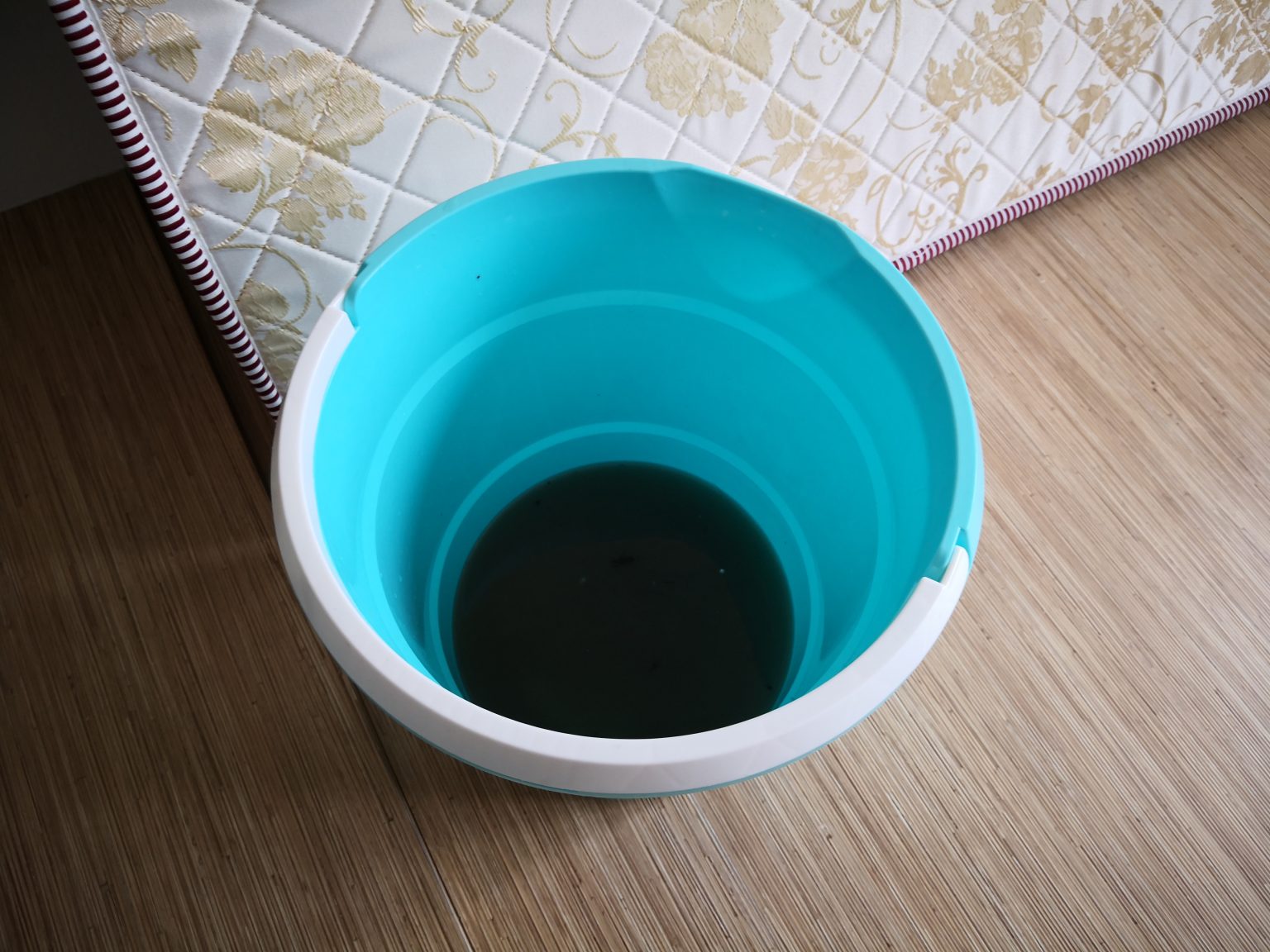
Dirty Water Accumulated from Each Upholstered Furniture

What you see above is the sample collected and analysed right after cleaning each piece of upholstered furniture. The image reflects the turbidity of the chemical.
Turbidity simply refers to a measure of the degree to which water loses its transparency due to the presence of microscopic particles. It serves as an indicator of how grimy each upholstered furniture really is. As you would have anticipated, the thicker the solid residues are at the bottom of the test tube, the dirtier your upholstered furniture is.
Here’s a quick breakdown of the samples encapsulated in the image above:
- Sample 1: Clearwater mixed with the original cleansing solution used during the deep cleaning operation
- Sample 2: Samples gathered from a 2-week old, newly purchased fabric sofa
- Sample 3: Samples gathered from an 11-year old headboard
- Sample 4: Samples gathered from a 6-month old single-sized mattress
- Sample 5: Samples gathered from a 5 to 6-year old single-sized mattress
- Sample 6: Samples gathered from an 11-year old king-sized mattress
Turns out, the 2-week old newly purchased fabric sofa actually took the throne as the dirtiest upholstered furniture of the lot. This is truly a testament that your upholstered furniture aren’t all that speckless, even if they look or are brand new.
So How Can Envico Help?
Now that you’ve gained some insights into how dirty your sofas and mattresses can be without deep cleaning them regularly, the question is – how can Clean Lab’s mattress or upholstery cleaning services help?
With the aid of state-of-the-art industrial equipment and cleaning solutions, our team in Singapore can provide a deep and thorough clean that flushes dirt, dust mites and eliminates harmful microorganisms hidden deep in your mattresses, sofas and other upholstered furniture.
All these are carried out through a 5-step mattress cleaning programme and/or 4-step restorative deep upholstery cleaning programme.
Here’s a quick overview of the two programmes:
5-Step Mattress Cleaning Programme
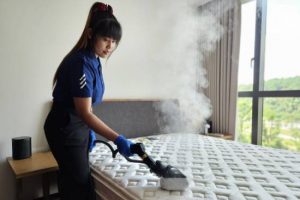
- Step 1: Dry extraction with rotating brush to loosen, dislodge and remove skin flakes, dust, soil deposit, dust mites and their excrement.
- Step 2:Stain or spot treatment to remove any visible stains.
- Step 3: Deep cleaning is carried out to clean, disinfect and deodourise the mattress fibre. This is followed by deep extraction to remove disintegrated dirt, fungal spores and wastewater.
- Step 4: Atomised heat steam cleaning is done to clean and sterilise the mattress. This helps to eliminate bacteria, mould spores, viruses and deactivate allergens.
- Step 5: Bio-shield, a chemical-free anti-microbial treatment, is applied to protect the mattress against bacteria and dust mites for up to 30 days.
4-Step Restorative Deep Upholstery Cleaning Programme
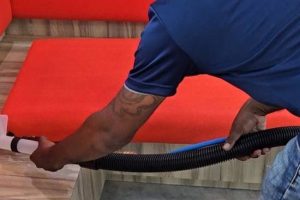
- Step 1: Our specialist will thoroughly vacuum your upholstered furniture using our high suction industrial grade vacuum machine with 3-stage HEPA filtration. This process will dislodge any dirt, soil and dust mites.
- Step 2: Stain or spot treatment to remove any visible stains.
- Step 3: An integrated upholstery cleaning extraction system will be used to flush, clean and disinfect your upholstery fibres.
- Step 4: A layer of Bio-shield treatment will be applied to reduce the reproduction of dust mites and eliminate unpleasant odours.
Want to find out more about our mattress and upholstery cleaning services? Reach out to our consultants today!
In order to understand how bad smells linger in our homes, let’s first take a look at a sense that is often overlooked: the sense of smell. As a matter of fact, there aren’t any inventions that enhance our sense of smell. The nose doesn’t get the equivalent of prescription glasses or hearing aids, but its importance to our health shouldn’t be underestimated. There are various types of odours in the home, some of which are just objectionable, while others can indicate hazardous conditions.
The good news is that you do not have to live with these annoying and sometimes dangerous smells. In order to make your home more enjoyable for everyone, there are things you can do to prevent or eliminate it, such as hiring an professional odour removal company. By removing smells, you’ll have a safer, more pleasant home.
The Nose Knows
According to neuroscientists, humans can distinguish 10,000 scents, although many of them have no names. It is through our sense of smell that we can experience depth and emotional richness in our daily lives.
By using olfactory neurons, located in the nasal epithelium which detects and transmit odourant information to the central nervous system in our brain, we are able to decipher molecules that travel into our nose. Odour molecules come into contact with olfactory receptors that lock onto these molecules and generate an electrical signal that is eventually relayed to the brain. All of this, of course, happens virtually at the speed of light.
Take a moment to think about the feelings and memories that surge through you as you smell fresh-cut grass or lilacs in bloom, just as a cinnamon-filled apple pie emerges from the oven, burrow your face in a sun-dried bed sheet.

Our sense of smell continues to serve us today in ways that may not seem obvious. By helping us sense foul odours in the home, the nose actually protects our health. Its detects harmful molecules in the air and sending a warning to the brain. How we respond to that warning, however, is entirely up to us to react. At Envico, the team has vast experience in treating all forms of odours by working in close collaboration with the in-house R&D team, the Odour Treatment Program helps by removing surface odours, killing the root cause, and eliminating any trace of foul smell.
Here are the common funky odours and what they might mean.
- Stinky Dishwasher
The moisture in your dishwasher can become a breeding ground for smelly mould, mildew and rotting food bits. In addition to periodically wiping down the interior, you can try this handy trick: Besides periodically wiping down the interior, try this handy trick: Fill a small bowl with white vinegar and place it in the lower rack of an empty dishwasher. Without adding detergent, run a normal cycle and select extra rinse and hot rinse, if available. That should take care of your smelly dishwasher.
- Sewer Odours

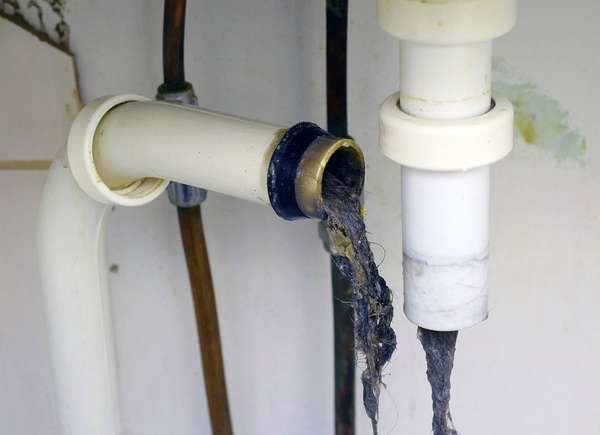
From unused bathrooms to kitchen sinks, the smell of sewage can often permeate from our drains. This is especially common in unused bathrooms, which can give off a sulfuric, rotten-egg stench.
What’s causing this issue?
There is a U-shaped pipe at the bottom of the drain that holds water. If left unused, the water can evaporate, allowing the stench to enter your bathroom. If you don’t run water into the drain regularly, you’ll eventually have a sewer gas smell in your home, similar to a rotten egg odour.The best way to protect your home against water leaks is to regularly run water down your bathroom drain at least once a week, even if you don’t use it usually. This will help reduces gasses and ensure your water seal stays in good condition. This will help the smell go away and the bathroom will be far more pleasant if someone has to use it.
- Lingering Smoke
A cigarette smoke odour is noticeable from the moment you walk into a house. Cigarette smoke lingers in fabrics, carpets, walls, and flooring for weeks after it has been expelled.
The harms of cigarettes are well documented, so we won’t go over them here, but you should understand that the chemicals that make cigarettes so dangerous don’t disappear when the cigarette is extinguished.
The chemicals and carcinogens remains in the area and settle on surfaces or fabrics, waiting to be released at a later time. Called thirdhand smoke, this puts people at risk from the common harms of cigarette-smoke, long after smoke has disappeared from the air.
Removing cigarette smoke is a difficult task, but it’s far from impossible. You need to take an approach that encompasses the entire home from top to bottom. Cleaning the walls and ceiling may help, and you could use a treatment that will neutralize the chemical odours that are left from smoke.
You could also repaint the interior, which will cover the unsightly smoke stains and seal in harmful contaminants. If you decide to paint, use a sealer and primer, which will effectively trap the contaminants.
If the home has been smoked in for years, it’s probably best to have the carpets cleaned, which will help remove microscopic particles. If the carpet is seriously damaged, you may need to have it replaced.
- Mould

If you have ever noticed a musty smell in your home, there’s a good chance that you have mildew or mould growing somewhere inside. Mould is one of the most common sources of smells in the house, and it can grow in many places but is most common in damp areas, especially the basement but also bathrooms and kitchens.
Mould is not just smelly, it can actually be toxic. Mould also releases microscopic spores that are used for reproduction, and these spores, which float on the air like pollen, can be inhaled, causing respiratory and allergy issues.
Getting rid of mould should be considered a two-phase process: Phase 1 is eliminating the source of moisture, which will reduce the musty smell. Mould feeds off moisture in the home, and even dampness in the air is a possible source of water for mould.
Make sure your pipes are sealed, your basement is dry, and your windows, doors, and other areas are not leaking water. You may also want to run a dehumidifier to reduce the amount of moisture in the air. By reducing moisture sources, you reduce the chances of future mould growth.
Phase 2 will be to clean the mould that has already grown. Using cleaning solutions and a little effort, you can remove mould from the home and keep it from coming back. Using a cleaning solution of bleach and water, you can kill the mould where it lives.
There are also chemicals made specifically for mould, but if the problem is significant, you may want to use a professional mould-removal service, which will virtually guarantee the mould is removed completely from your home.
- Dirty Carpet
Do you ever notice a musty smell coming from your carpet? Perhaps it hasn’t gone away even though you’ve been vacuuming it. Lets take a look at what’s lurking underneath your carpet.
- Dust, soil and dirt
- Dust mites and pest
- Bacteria, germs and viruses
- Mould and Fungi spores
- Allergens and Bio-contaminants
- Dead Skin Flakes (food source for dust mites)
- Food Residue (food source for pest)
- Bad odours
- Stubborn stains
To ward off bad odours, vacuum at least 3 times a week with a machine that has a HEPA (high-efficiency particulate air) filter. Alternatively, the best method for hassle-free and guaranteed elimination of bad odour, would be to hire experts specialising in Professional Carpet Cleaning.
- Burning, Smoky Odours

Unless you have a fireplace, the smell of smoke or something burning is definitely dangerous. Even if you don’t see signs of fire, you could have something smoldering in the basement or inside the walls. The smell of ozone, common during a lightning storm, could mean overheated electrical wires or appliances, overloaded circuits, frayed or loose wiring, or incorrectly sized breakers or fuses.
Check your outlets to see if there are any sparks or burn marks; call a licensed electrician if the problem persists. An “oily” burning smell could mean that your furnace is malfunctioning, and failing to ignite all of the oil in the burner. Call a licensed professional as soon as possible to have the unit checked and serviced. Oil spills from fuel deliveries can also give off an oily burning smell.
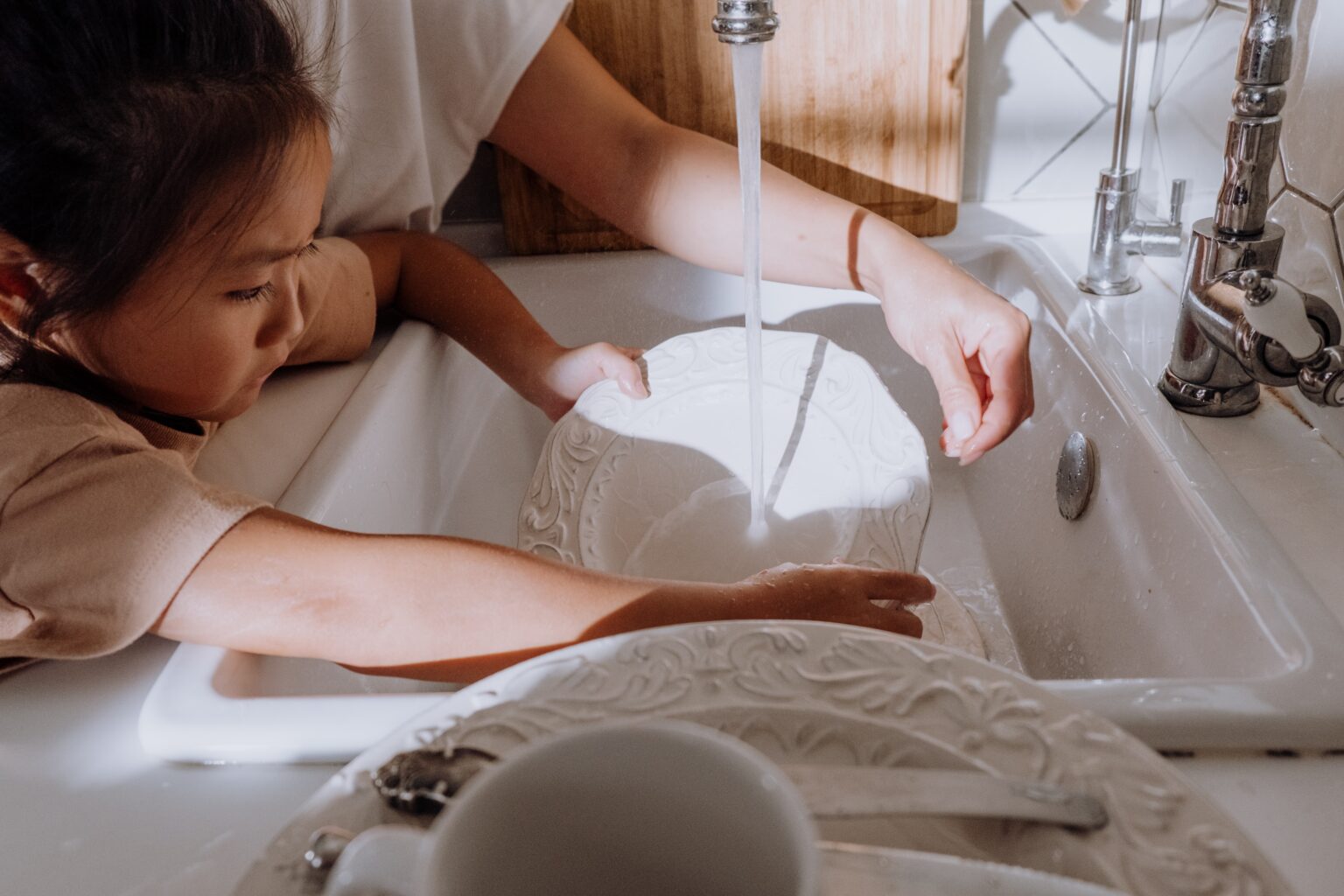

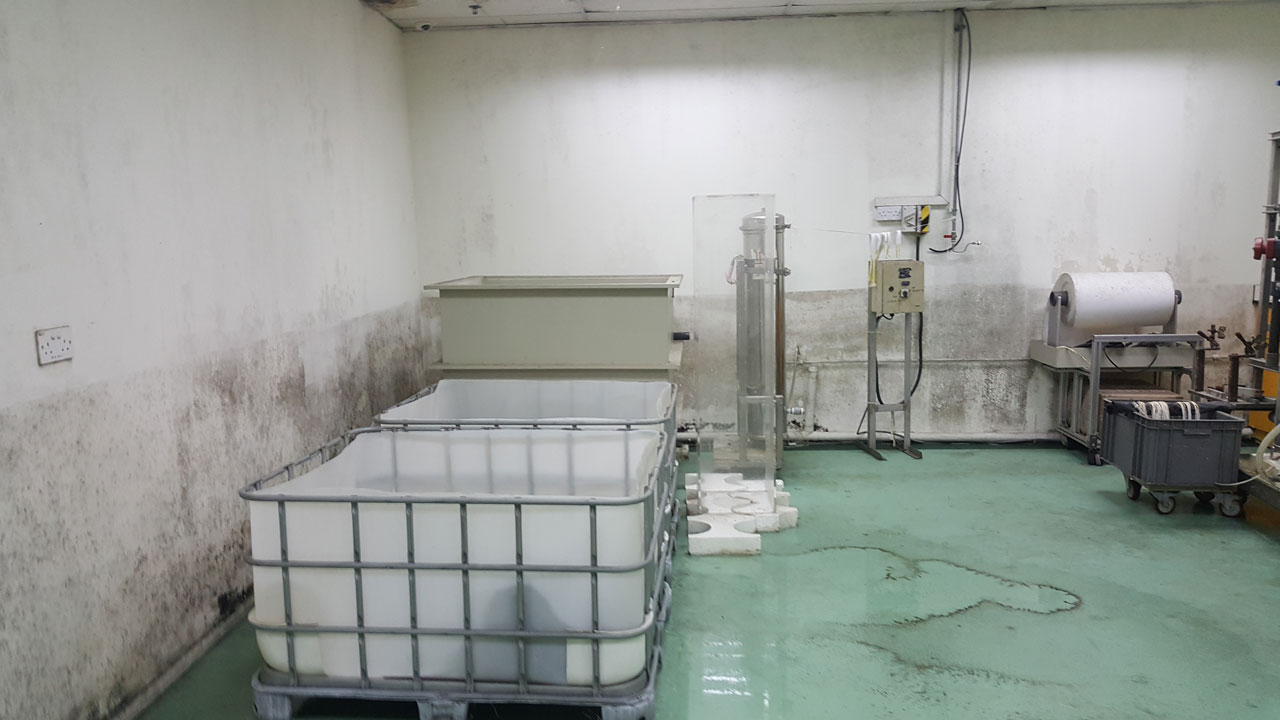
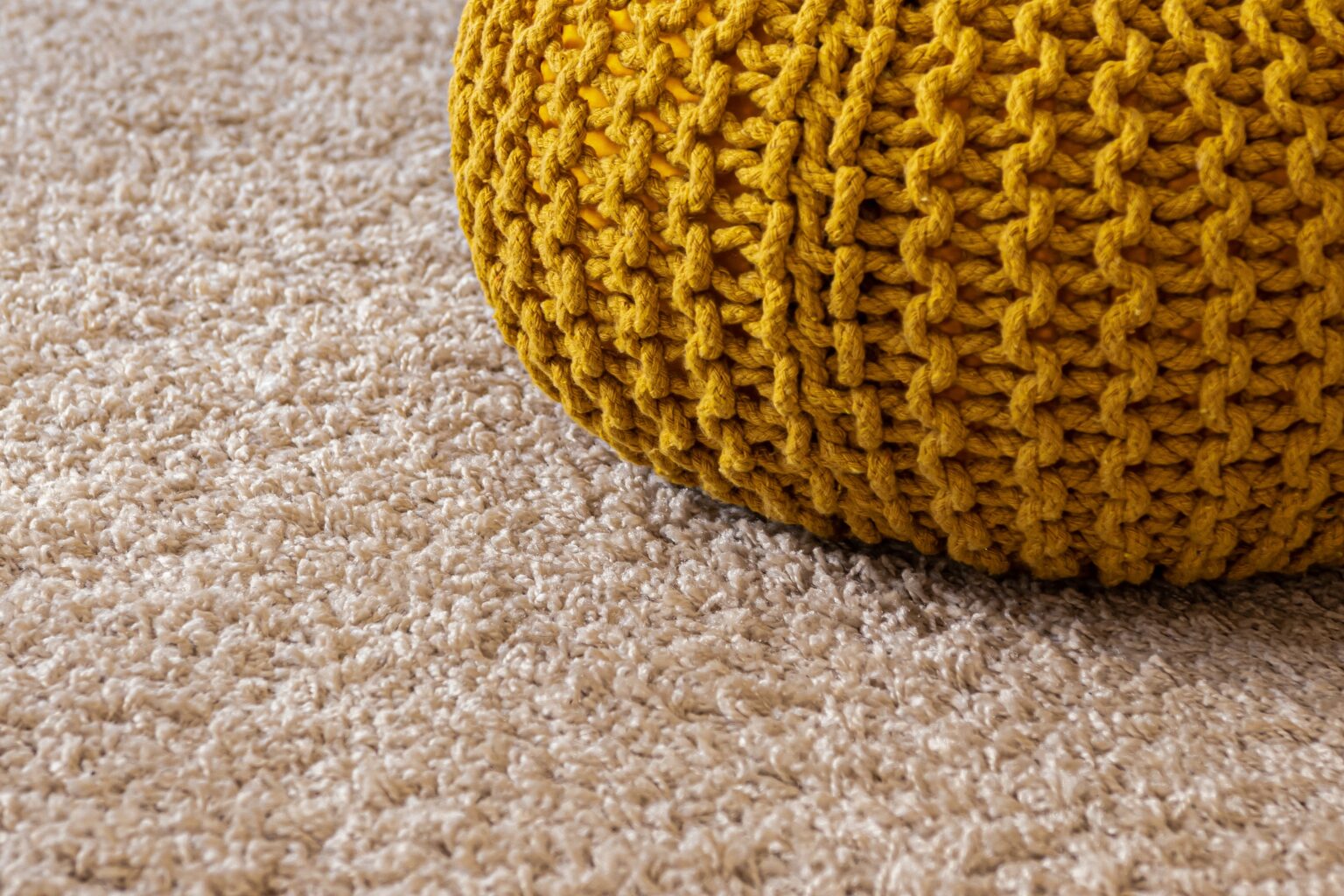

People may not always notice how clean a floor is, but they are quick to notice if it is unclean or untidy. This is especially crucial if you run a house or a company where hygiene is vital for both your family and guests. Remember that first impressions are everything, and the floors are one of the first things people notice when they enter your house or workplace.
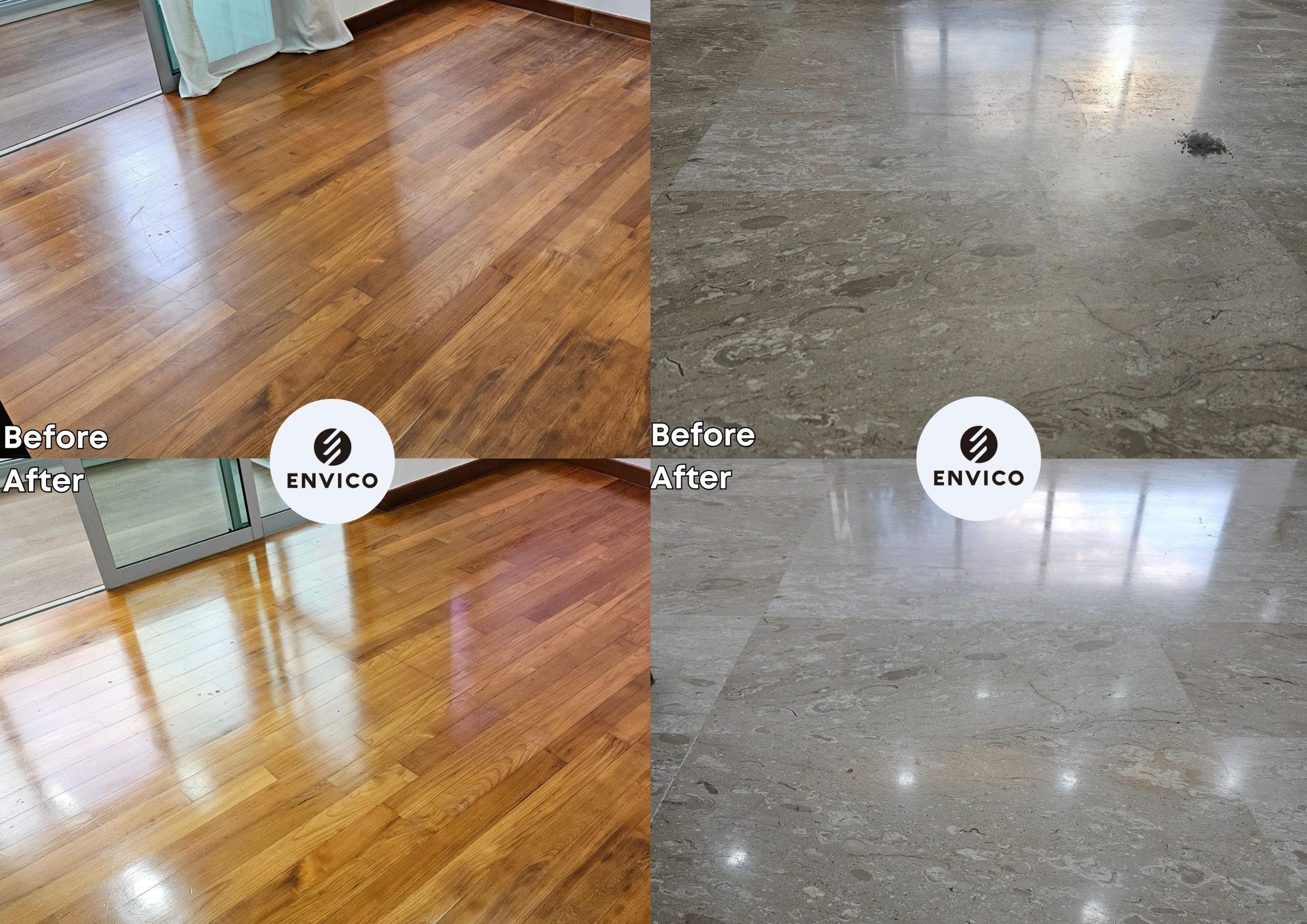
Importance of Floor Cleaning Service In Singapore
It is important to clean your floors in such a way that is safe and hygienic. With regular maintenance and cleaning, you can be sure that your family and visitors will be impressed by the cleanliness of your flooring.
If your building in Singapore has recently undergone flood damage, your flooring will begin to collect water and retain the water from within, resulting in cracked and deformed look with permanent damage to your flooring.
If left untreated, it can lead to other problems such as Mould Mites and odour issues. Immediately contact the Emergency Flood Clean Up Experts who has the expertise and ability to resolve the issue.
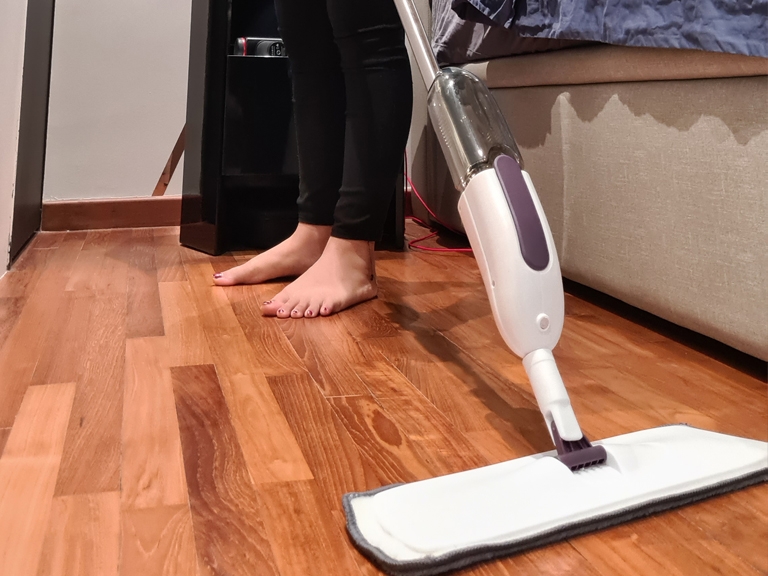
Struggling to find the time to tackle cleaning your home or office without missing out on the things you love doing?
Luckily there is a simple solution. Whether you are too busy to clean, or if cleaning isn’t your thing, hiring a professional floor cleaning service will solve all your problems. They will leave your whole floor clean and fresh, even the corners you pretend not to see!
Read on to discover the ten reasons you should hire a professional floor cleaning service today.
- Create a Healthier Environment
- Have More Time to Yourself
- Get the Job Done to a Higher Standard
- Impress Your Guests or Customers
- Set a Schedule That Works for You
- Reduce the Risk of Pest Infestations
- No Need to Buy Expensive Supplies
- Make Sure Nothing Is Missed
- Spend Less on Repairs
- Benefit From Useful Extra Services
People who suffer from allergies or respiratory difficulties may be harmed by harmful airborne germs or mould development. Being in a polluted atmosphere will aggravate these people’s symptoms.
Even those without any pre-existing conditions can find themselves with skin infections or flu-like symptoms due to this bacteria.
Hiring a floor cleaning service will mean that your home or workplace will never get to the point of being hazardous to health. A healthier environment is better for everyone and will create more productive employees.
One of the most significant advantages of hiring a professional business cleaning service or a professional house cleaning service is convenience.
You’ll have more time to devote to important tasks at work or relaxing with your family if you hire a reputable company to do time-consuming jobs like vacuuming, dusting, and scrubbing.
Cleaning is more than just removing clutter and vacuuming once a week. Those difficult-to-reach areas require the same level of care.
Professional floor cleaning services have the necessary tools and know-how to thoroughly clean your property, leaving it safe and germ-free.
A professional floor cleaner will do a much better job than you could. They will make certain that even the most difficult areas are clean and fresh.
First impressions are crucial. Have you ever walked into a filthy house or business and felt immediately uneasy?
A clean property will make both you and them feel more at ease with each other, whether you want to impress a potential customer walking into your business or a friend coming over to visit for the first time.
If you own a customer-facing business, investing in a cleaning service makes a lot of financial sense. Customers are much more likely to trust and spend money with a company that appears professional.
After all, would you put your trust in a company that can’t even keep their office clean and presentable?
Hiring a floor cleaning service is extremely versatile. You can hire a cleaning service to come in as often as you need and change the schedule to suit your needs.
You are not required to sign a contract if you require a monthly deep clean or a lighter touch-up a few times per week.
This is great if you need a deep clean after a renovation or if you just need some extra help now and then.
We don’t like to bring it up, but pest infestations are far more common than you might think. Properties that are frequently dirty or have food left out can become infested with termites. Contact the best Termite Control Singapore specialist to solve all of your pest problems.
If this happens, you may face problems like contaminated food, ill pets, and generally unhygienic living and dining areas.
Regular visits from a professional pest control service can prevent this from happening and save you a lot of money down the road.
Consider what you use to clean your kitchen. It takes a lot of equipment, including a mop and bucket, vacuum cleaner, and cloths, as well as various specialist chemicals and protective clothing. Consider how much it would cost to clean every other room in a house or office building.
You don’t just hire a person when you hire a team of experts. You rent their expertise and skills to make things simpler.
You’ll never have to buy expensive supplies again, and you’ll be able to make better use of the cupboard you used to keep half-empty cleaning supplies in!
When we clean on our own, we tend to start with the “easier” areas and then move from room to room at random. This can lead to you doing more work than necessary or even missing a meeting.
A professional will be far more methodical and will follow a structured checklist to ensure that nothing is overlooked or repeated.
They can complete more tasks in less time, making them very cost-effective.
Appliances always seem to fail at the most inconvenient times, don’t they?
While cleaning them will not make them last forever, it will extend their life and save you money on emergency repairs.
Washing machines, toilets, and showers can all be extended if properly maintained. Cleaning these appliances can be more difficult and time-consuming than general household cleaning. Fortunately, a thorough cleaning every two weeks is all that is required.
Consider hiring a cleaning service that can complete the job quickly and efficiently the first time.
Let’s be real. Most of us do the bare minimum when cleaning our homes and rarely go above and beyond to do extra maintenance jobs.
A professional cleaning service does more than simply vacuum and dust. Many service providers provide carpet cleaning, mattress cleaning, and post-renovation cleaning.
Whatever you require, professionals can handle it, saving you a lot of time and trouble.
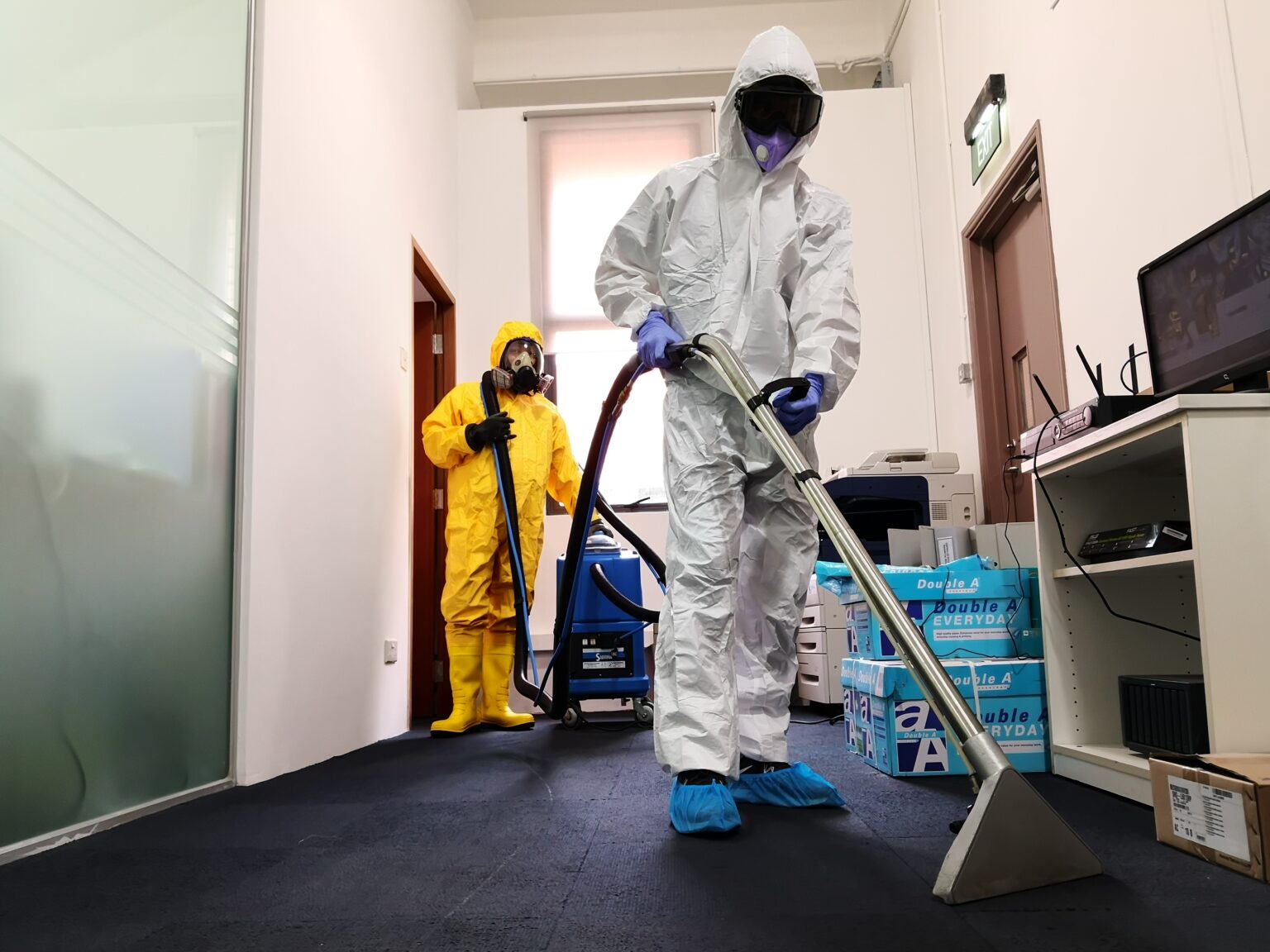
Why You Should Choose Professional Floor Cleaning Service
We understand that life can be hectic, and keeping up with cleaning on top of everything else can seem impossible. A professional cleaning service will enable you to keep your working or living environment clean and healthy.
Allow us to relieve yourself of some of the work so that you can spend more time doing the things you enjoy the most.
Contact us today to learn more about our cleaning services or to receive an instant quote!
There’s nothing better than relaxing in bed after a long, tiresome day.
How do you feel when you wake up? If the answer is anything but refreshed, it’s time to reconsider your sleeping habits. Because our beds have such a large effect on our sleep, this is the first place to start. A dirty mattress may do more than just keep you tossing and turning during the night, which can be bad news for your health—and your ability to get a good night’s sleep, all of which can have an impact on your health.
Continue reading to learn how your mattress might be damaging your health and what you can do about it.
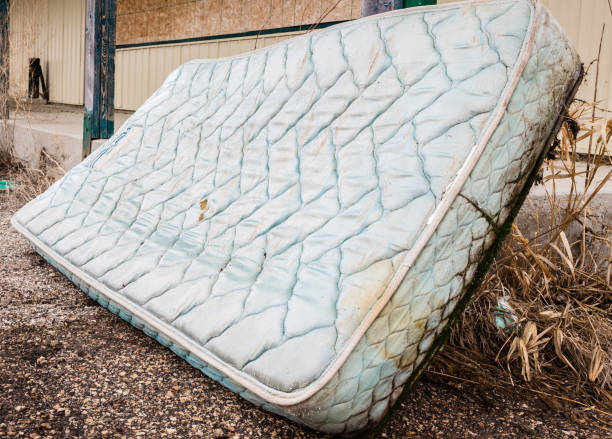
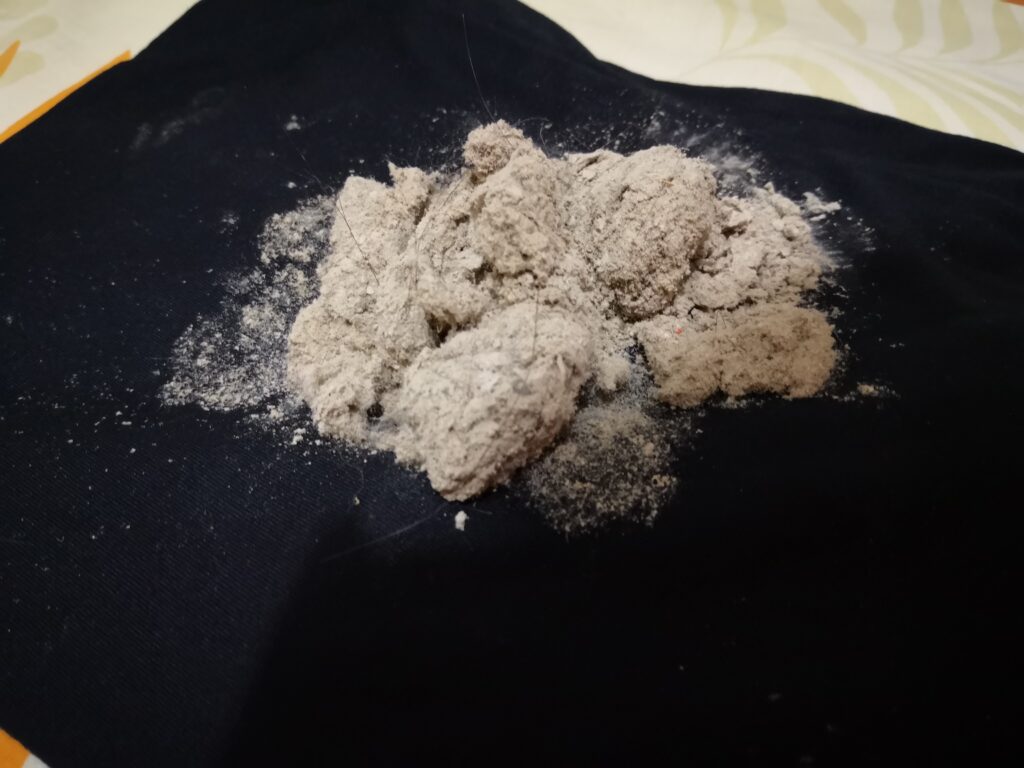
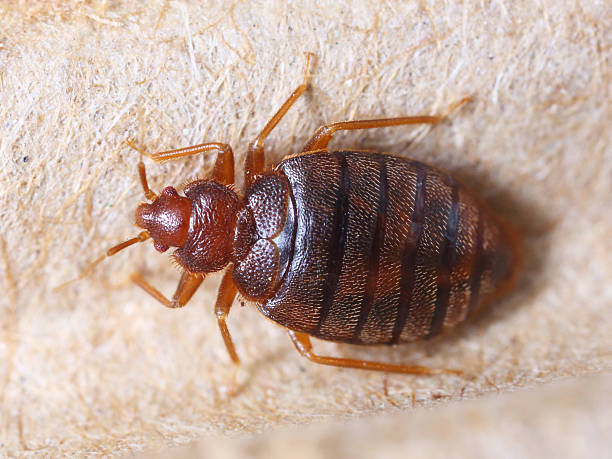
Since you spend nearly a third of your life in bed, your mattress progressively becomes infested with bed bugs and dust mites. These tiny critters feed on body oils and dead skin cells released by your body.
According to Ohio State University scientists, a normal worn mattress can harbor up to 10 million of the tiny bugs. And, because dust mites defecate, their excrement is also in your bed.
The process sounds gross, and it is. Fortunately, the tiny buggers are invisible—and most of us appear to get along just well with them. However, if you have allergies, sleeping on an dirty mattress might be problematic. Allergies to dust mites can result in sneezing, runny noses, itching, watery eyes, coughing, and sinus discomfort.
It gets worse if you have asthma, which dust mites can aggravate. Then you may experience difficulties breathing, chest tightness, or even problems sleeping as a result of shortness of breath.
Signs and Effects of a Dirty Mattress:
- Dust Mites

Dust mites flourish on old and dirty beds, along with dead skin, sweat, grime, and dust. The frequent exposure might have an impact on your sleep quality. Continued exposure to these annoying mites may cause lung and throat difficulties.
Dust mite allergy symptoms induced by nasal passage irritation include:
- Sneezing
- Nasal congestion
- Eyes that are itchy, red, or watery
- Congestion in the nose
- Itchy nose, mouth roof, or throat
- Postnasal dripping
- Cough
- Pain and facial pressure
- Under-eye swollen, blue-colored skin
- Frequent upward rubbing of the nose in a kid
If your dust mite allergy contributes to your asthma, you may also suffer the following symptoms:
- Having trouble breathing
- Tightness or discomfort in the chest
- When exhaling, there is an audible whistling or wheezing sound.
- Sleeping difficulties caused by shortness of breath, coughing, or wheezing
- Coughing or wheezing fits exacerbated by a respiratory illness such as a cold or the flu
Dust mite allergies can be minor to severe. A mild case of dust mite allergies may produce a runny nose, watery eyes, and sneezing on occasion. In extreme situations, the problem may be chronic, causing continuous sneezing, coughing, congestion, face pressure, an eczema flare-up, or a severe asthma attack.
- Mould and Fungus

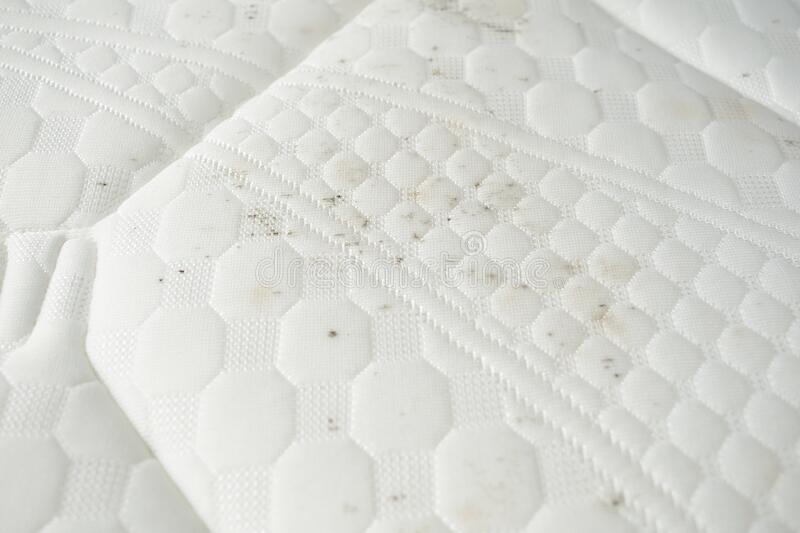
Because we sleep on our mattresses every night, it’s natural for them to accumulate germs and harmful organisms. We sweat into our sheets while sleeping, producing a humid atmosphere. Mould spores flourish in this environment, going unnoticed deep beneath the mattresses.
Mould allergies can cause coughing, itchy eyes, and other unpleasant symptoms. Mould allergies are connected to asthma in some people, and exposure causes restricted breathing and other airway problems. You may solve this issue by utilizing an air purifier.
- Bed Bugs

Bed bugs are a serious problem. Cimex lectularius is the less appealing scientific name for them. Your mattress provides a great habitat for dust mites and bed bugs as it matures. Although these tiny insects normally just cause unpleasant bites, getting rid of them without tossing out your mattress is nearly hard.
Bed bugs may be identified by reddish patches on your bed linens, minute red bites on your skin, and, of course, the perpetrators themselves, who like to congregate around the mattress seams. To avoid bed bugs, it’s important to get a new mattress and wash your linens on a regular basis.
- Sleep Deprivation

Do you long for the nights when you slept like a baby? And now you’re having trouble sleeping, tossing and turning. This might be an indication of a faulty mattress. Although it may not be causing you discomfort, poor sleep quality can lead to a variety of health issues and leave us feeling unpleasant throughout the day. If your mattress isn’t making you feel energized, it should be replaced. Simple.
Sleep deprivation happens when you can’t find a comfortable posture owing to the discomfort of an old or dirty mattress. Sleep deprivation can also contribute to obesity, which opens the door to a whole new set of health problems [7]. A weaker immune system is another long-term impact of sleep deprivation. Sleep deprivation can cause tiredness in the morning, impaired mental performance, weariness, and other symptoms.
- You’re Experiencing Aches and Pains

Can a mattress cause back pain? Sure thing! If you wake up every morning with chronic neck and back ache, it’s possible that your mattress is exhibiting symptoms of wear. Your mattress may progressively lose the structure, firmness, and supporting features that provide you the restful night’s sleep you need after many years of regular usage.


Summary:
Quality sleep has extraordinary restorative effects. During sleep, your body works hard to heal tissue damage, eliminate toxins, and create new brain pathways. Restorative sleep fosters good emotional control and allows your brain to process information more efficiently.
Lack of sleep caused by a dirty mattress not only makes you tired and cranky the next day, but it may also be a factor in a number of health issues.
Studies have connected poor sleep to memory and concentration problems, weakened immune system functioning, obesity, high blood pressure, diabetes, and cardiovascular disease. A mattress that fails to provide adequate support or pressure relief may also contribute to aches and pains the next day. This may be especially important for individuals who live with chronic pain.
Read on: Are Your Sofas & Mattresses Really Clean? Here’s Your Answer
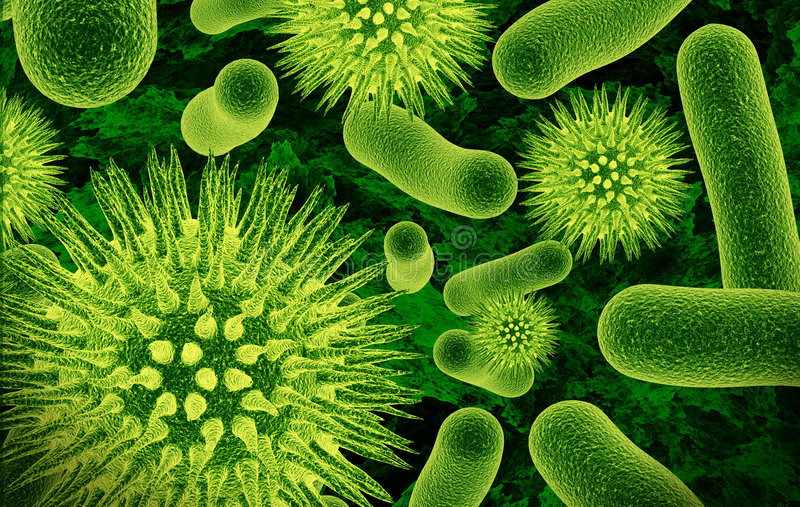
Normal disinfectants, also known as broad-spectrum disinfectants, are formulated to eliminate a broad range of microorganisms, including bacteria, viruses, fungi, and algae. They are commonly used for general cleaning and disinfecting purposes and work by disrupting the cell walls or membranes of these microorganisms, ultimately leading to their demise.
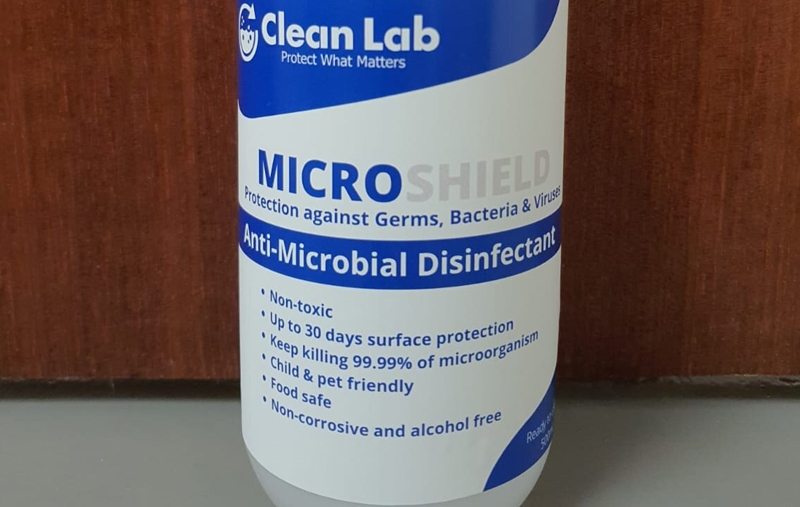
In contrast, antimicrobial disinfectants are specifically designed to target and eliminate harmful microbes such as antibiotic-resistant bacteria and viruses. These disinfectants often contain chemicals such as quaternary ammonium compounds or chlorine dioxide that are effective against specific types of microorganisms. Compared to standard disinfectants, antimicrobial disinfectants have demonstrated higher efficacy in eradicating harmful microbes.
Antimicrobial disinfectants work by disrupting the cellular functions of harmful microorganisms, such as bacteria and viruses. This disruption can occur through several mechanisms, including:
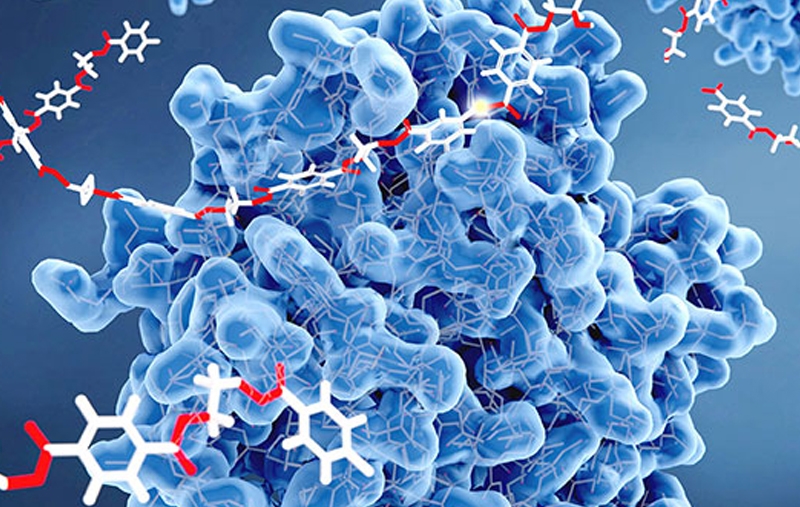
- Destruction of cell walls or membranes:

Antimicrobial disinfectants can destroy the outer layer of a microorganism, such as its cell wall or membrane, causing the contents of the cell to leak out and leading to its death.
- Disruption of enzymatic functions:
Some antimicrobial disinfectants can disrupt the enzymatic functions that microorganisms rely on to survive and reproduce. By disrupting these functions, the disinfectant can prevent the microorganism from replicating and cause its death.
- Interference with genetic material:
Certain antimicrobial disinfectants can interfere with the genetic material, such as DNA or RNA, of microorganisms. This interference can prevent the microorganism from replicating and lead to its death.
- Oxidative stress:
Antimicrobial disinfectants can also cause oxidative stress in microorganisms by generating reactive oxygen species (ROS) that can damage the microbe’s cellular components, leading to its death.

Summary:
It’s important to note that not all antimicrobial disinfectants work through the same mechanisms, and different disinfectants may be more effective against certain types of microorganisms. It’s also important to follow the manufacturer’s instructions for using antimicrobial disinfectants, as improper use or dilution can reduce their effectiveness.